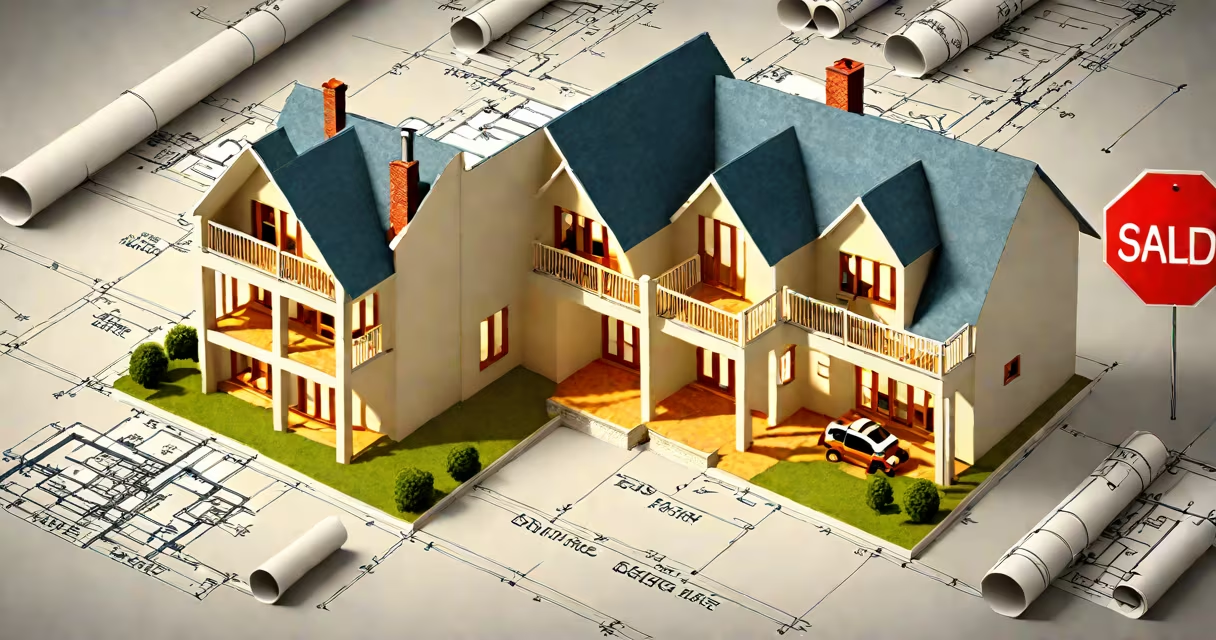
A property loan is a secured loan where real estate serves as collateral. The lender holds a lien on the property until the borrower repays the debt. These loans fund home purchases, refinancing, renovations, or investment properties.
Property loans differ from unsecured personal loans because they require an asset-typically land, a house, or commercial building-as security. If the borrower defaults, the lender can seize and sell the property to recover losses. This reduces risk for lenders, which often translates into lower interest rates compared to unsecured borrowing.
According to the Federal Reserve, nearly 68% of U.S. homeowners have a mortgage, a form of property loan. The most common type is the conventional mortgage, but other forms include home equity lines of credit (HELOCs), construction loans, and commercial real estate loans. Each serves a distinct purpose based on the borrower's goals and financial profile.
Lenders assess the property's appraised value and the borrower's creditworthiness before approving a loan. They typically lend between 70% and 80% of the property's market value, known as the loan-to-value (LTV) ratio. A higher LTV increases risk for the lender, which may result in higher interest rates or private mortgage insurance (PMI).
The borrower makes regular payments that cover principal and interest. Over time, equity builds as the balance decreases and the property's value appreciates. Some loans allow interest-only periods or balloon payments, which can increase financial strain if not managed carefully.
For example, a buyer wants to purchase a $400,000 home with a 20% down payment ($80,000). The lender approves a $320,000 property loan at 6.5% interest over 30 years. Monthly payments come to $1,984. The borrower's LTV is 80%, a standard threshold for conventional financing. If payments stop, the lender can initiate foreclosure proceedings.
Not all property loans serve the same purpose. Borrowers choose based on their intent-buying a primary residence, investing in rental real estate, or funding construction.
| Type | Purpose | Typical Interest Rate | Common Use Case |
|---|---|---|---|
| Mortgage | Primary or secondary home purchase | 5.5% - 7.5% | Buying a single-family home |
| HELOC | Home improvement, debt consolidation | 4.0% - 6.0% | Accessing equity in a paid-off home |
| Construction Loan | Funding new build or major renovation | 6.0% - 9.0% | Building a custom home over 6-12 months |
| Commercial Real Estate Loan | Purchasing or refinancing business property | 5.5% - 8.5% | Opening a retail store or leasing office space |
Some loans, like those for investment properties, carry higher interest rates due to increased risk. Fannie Mae reports that investment property loans average 0.5 percentage points higher than primary residence loans. This reflects the greater likelihood of default when income comes from rent rather than employment.
People often mistake a property loan for a personal loan or assume all real estate financing is the same. A property loan is not interchangeable with a personal loan-even if both involve borrowing money. Personal loans lack collateral and typically charge higher interest rates, especially for borrowers with fair or poor credit.
Another misconception is that refinancing always saves money. While lowering the interest rate can reduce monthly payments, fees such as origination charges, appraisal costs, and title insurance can offset savings. For example, refinancing a $300,000 mortgage from 6.0% to 5.0% saves $120 per month. But with $6,000 in closing costs, it takes five years to break even.
Also, not all property loans are long-term. Some short-term bridge loans last six to 18 months and are used to finance a property purchase while selling another. These often carry variable rates and require careful planning to avoid rollover or default.
I purchased a duplex in Austin, Texas, in 2022 using a property loan. The property sold for $320,000. I put down 25% ($80,000) and borrowed $240,000 at 5.75% interest over 25 years. My monthly payment was $1,548. I rented out one unit for $1,600/month and used the income to cover the mortgage and maintenance.
After two years, the property appreciated by 12%. I refinanced to access $60,000 in equity for a home office upgrade. The new loan carried a 5.25% rate. I kept the original loan intact and added a second mortgage. This strategy leveraged appreciation and cash flow to grow my portfolio.
When evaluating a property loan, consider not just the rate but the total cost over time. The Consumer Financial Protection Bureau (CFPB) advises borrowers to compare annual percentage rates (APRs), which include fees and interest, not just the headline rate.
Property loans are not the same as equity release schemes. Equity release allows older homeowners to draw against their home's value without monthly repayments, but it reduces inheritance and can lead to negative equity. Property loans require repayment and are structured differently.
Also, a property loan differs from a deed of trust. A deed of trust is a legal document used in some states to transfer ownership of the property to a trustee until the loan is repaid. It's part of the process, not the loan itself.
Finally, not all property loans are federally insured. Conventional mortgages are not backed by the government. FHA loans, however, are insured by the Federal Housing Administration and allow lower down payments (as low as 3.5%) and more lenient credit standards. Understanding the difference matters when choosing a loan product.
If you're considering a property loan, evaluate your long-term goals. Are you buying a home to live in, or investing for rental income? Do you plan to stay in the property for five years or more? The answer shapes whether a fixed-rate or adjustable-rate loan fits better.
Property loans remain central to real estate financing. They enable homeownership, support business growth, and help wealth accumulation through real assets. When used responsibly, they provide stability and opportunity.