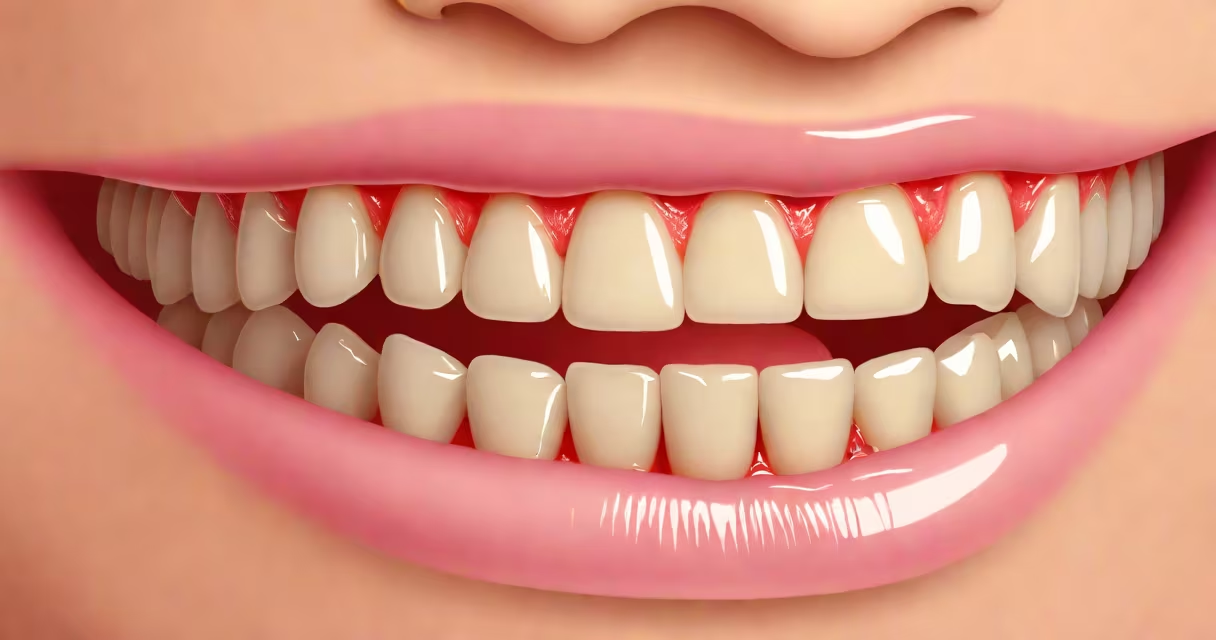
Sore gums indicate inflammation or infection in the gum tissue, most commonly caused by plaque buildup leading to gingivitis. This early stage of gum disease results in redness, tenderness, and sometimes bleeding during brushing or flossing. Left untreated, it can progress to periodontitis, which affects the bones supporting teeth.
Plaque forms when bacteria in the mouth feed on food particles, especially sugars and starches. If not removed daily through brushing and flossing, plaque hardens into tartar, which cannot be removed by brushing alone. Tartar irritates the gums, triggering an immune response that causes swelling and pain. According to the American Dental Association, nearly half of adults aged 30 and older have some form of gum disease.
Not all sore gums stem from poor hygiene. Systemic conditions such as diabetes, vitamin deficiencies (especially B12 and C), hormonal changes during pregnancy, or certain medications can also cause gum sensitivity. A 2021 study published in the Journal of Clinical Periodontology found that people with uncontrolled diabetes were 2.5 times more likely to develop severe gum inflammation than those without.
Gum soreness begins when bacterial biofilm accumulates along the gumline. The body responds by increasing blood flow to the area, causing redness and warmth. As inflammation worsens, the gum tissue may recede slightly, exposing tooth roots and increasing sensitivity. This process is reversible in early stages with proper care.
When plaque is left undisturbed for more than 24 hours, it mineralizes into tartar. Tartar forms a rough surface that traps more bacteria, accelerating irritation. Once tartar develops, professional cleaning is required-home remedies won't remove it. The American Academy of Periodontology states that tartar removal is essential to halt the progression of gum disease.
A common mistake is assuming that sore gums only appear with bleeding. Some people experience pain without visible blood. Others notice a dull ache when eating hot, cold, or sweet foods. These symptoms suggest deeper tissue involvement and warrant evaluation.
Not all sore gums arise from the same cause. The most frequent triggers include:
| Trigger | Characteristics | Typical Duration |
|---|---|---|
| Plaque buildup | Red, swollen gums; mild bleeding; bad breath | Days to weeks if untreated |
| Pregnancy gingivitis | Increased sensitivity; swelling around molars | Resolves postpartum in most cases |
| Vitamin deficiency | Ulcers or sores; slow healing; fatigue | Improves with supplementation |
| Medication side effects | Overgrowth of gum tissue; dry mouth | Persistent while taking drug |
One non-obvious distinction: sore gums from systemic illness often affect the entire mouth uniformly, whereas plaque-related issues typically start near the back teeth and spread forward. This pattern helps differentiate between local and generalized causes.
For example, a 34-year-old woman reported persistent gum soreness during her second trimester. Her dentist noted widespread redness and swelling but no significant plaque. After ruling out infection, the team linked the condition to elevated progesterone levels, which increase gum receptivity to inflammation. Symptoms resolved within six weeks post-delivery.
While mild soreness often resolves with improved oral hygiene, persistent or worsening symptoms require attention. Red flags include pus discharge, loose teeth, shifting bite alignment, or pain that lasts more than five days despite home care.
Chronic soreness can lead to periodontitis, a condition where the infection spreads below the gumline, damaging the bone and connective tissues. The Centers for Disease Control and Prevention reports that 47% of U.S. adults aged 30 and older have moderate to severe periodontitis. Without treatment, tooth loss becomes likely.
Another overlooked risk: untreated gum inflammation may contribute to heart disease. Research from Harvard School of Public Health shows that individuals with advanced gum disease are 20% more likely to suffer a heart attack over ten years compared to those with healthy gums. The theory involves inflammatory markers entering the bloodstream and affecting arterial health.
Many assume that bleeding gums are normal or that brushing harder will fix soreness. Neither is true. Bleeding occurs because fragile capillaries rupture under pressure. Aggressive brushing damages the enamel and wears down gum tissue, worsening sensitivity.
Some people believe that using mouthwash eliminates the need for flossing. This is incorrect. Mouthwashes reduce bacteria but cannot dislodge food debris trapped between teeth or beneath the gumline. Flossing remains essential for preventing interdental plaque accumulation.
I once observed a patient who had stopped flossing due to discomfort. Over three months, their gum recession progressed. After resuming gentle flossing and using a soft-bristled brush, improvement began within two weeks. The key was consistency, not intensity.
If sore gums persist beyond a week despite twice-daily brushing and daily flossing, schedule a dental visit. A dentist can assess for tartar, measure pocket depth around teeth, and determine whether scaling and root planing are needed.
For mild cases, over-the-counter treatments like chlorhexidine rinses or desensitizing toothpaste may provide relief. However, they don't address underlying causes. A dentist may recommend a prescription-strength rinse or topical antibiotic if infection is present.
Understanding what sore gums mean helps prevent complications. They're not just a minor annoyance-they're a warning sign of imbalance in oral health. Addressing the root cause promptly preserves both comfort and long-term dental function.