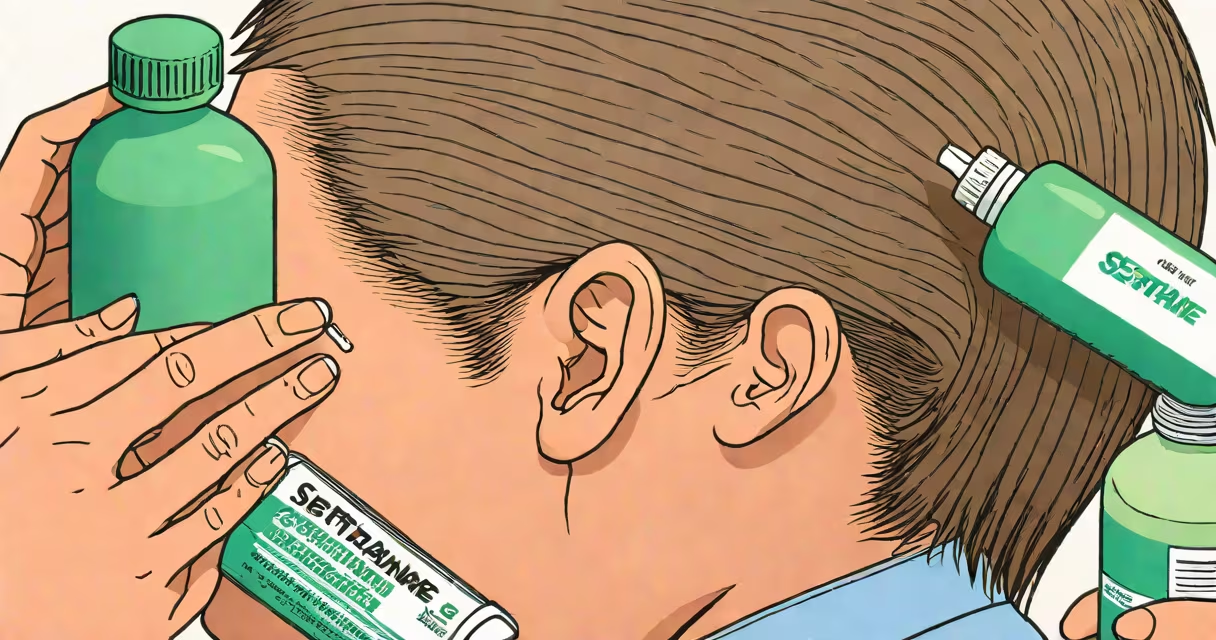
Some individuals experience hair thinning or shedding after starting selective serotonin reuptake inhibitors (SSRIs), a class of antidepressants including sertraline and escitalopram. While not common, reports suggest a potential link between SSRI use and altered hair growth cycles.
SSRIs work by increasing serotonin levels in the brain, which helps regulate mood. Serotonin also influences peripheral systems, including the hair follicle. Research indicates that elevated serotonin may shorten the anagen (growth) phase of the hair cycle, pushing more follicles into telogen (resting/shedding) phase. This shift can lead to increased shedding, known clinically as telogen effluvium.
A 2018 study published in *Dermatology and Therapy* analyzed 21 patients reporting hair loss during SSRI treatment. Of those, 16 experienced partial or complete regrowth after discontinuation, supporting a causal association. However, the study noted that baseline stress, hormonal changes, or comorbid conditions often contributed to hair loss, making isolation of SSRI effects difficult.
SSRIs cross the blood-brain barrier and influence central serotonin pathways. But serotonin receptors (especially 5-HT2A and 5-HT2B) are also present in skin and hair follicles. Activation of these receptors may disrupt the normal cycling of hair follicles, leading to premature entry into the shedding phase.
Animal models show that chronic serotonin elevation reduces hair shaft diameter and increases follicular apoptosis. In mice, administration of fluoxetine (Prozac) led to significant hair thinning within four weeks. Human data remains observational, but the biological plausibility is supported by neuroendocrine pathways linking mental health and hair biology.
Not all SSRIs carry equal risk. Fluoxetine and paroxetine have higher reported associations with hair loss compared to sertraline and escitalopram. The difference may relate to receptor affinity and metabolism rates. For example, fluoxetine has a long half-life (up to 4 days), allowing prolonged exposure to serotonin receptors in the skin.
The most common form linked to SSRIs is telogen effluvium-a temporary condition where hair sheds prematurely due to physiological stress. Shedding typically begins 2-4 months after starting medication and resolves within 6-12 months, even if the drug continues.
Less frequently, individuals report diffuse alopecia, characterized by thinning rather than patchy loss. This pattern resembles androgenetic alopecia but occurs earlier and without family history. In rare cases, a condition called alopecia areata has been reported post-SSRI initiation, though causality remains unproven.
| SSRI Type | Reported Hair Loss Frequency | Onset Time | Reversibility |
|---|---|---|---|
| Fluoxetine (Prozac) | Higher (1 in 100 reported) | 2-6 months | Yes, upon discontinuation |
| Paroxetine (Paxil) | High (1 in 75 reported) | 3-5 months | Yes |
| Sertraline (Zoloft) | Moderate (1 in 200 reported) | 4-6 months | Yes |
| Escitalopram (Lexapro) | Low (1 in 500 reported) | 6+ months | Yes |
These figures come from post-marketing surveillance databases such as the FDA's Adverse Event Reporting System (FAERS) and the WHO's VigiBase. They reflect self-reported cases, not clinical trials, so underreporting is likely.
Many assume SSRIs cause permanent baldness. This is incorrect. Hair loss from SSRIs is almost always reversible. Regrowth typically begins within 3-6 months after stopping the medication, though full recovery may take up to 12 months.
Another misconception is that hair loss means the drug is ineffective. That's not necessarily true. Studies show that patients who develop hair thinning still respond well to treatment. A 2020 meta-analysis in *Journal of Clinical Psychiatry* found no correlation between hair loss and therapeutic response in 1,200 patients on SSRIs.
Hair loss may not be caused by the SSRI at all. Stress from depression itself can trigger telogen effluvium. Hormonal imbalances, iron deficiency, thyroid dysfunction, or vitamin D insufficiency-common in people with mood disorders-also contribute. A 2021 study in *The Journal of Clinical Endocrinology & Metabolism* found that 43% of patients with SSRI-related hair loss had low ferritin levels, suggesting iron deficiency as a confounding factor.
In 2019, a 34-year-old woman began sertraline 50 mg daily for generalized anxiety disorder. After three months, she noticed increased hair shedding during washing and brushing. She reported losing 100-150 strands daily, up from her usual 50. Her dermatologist confirmed telogen effluvium via pull test and scalp biopsy.
Blood tests revealed ferritin at 18 ng/mL (low), vitamin D at 18 ng/mL (deficient), and TSH within normal range. Iron supplementation and vitamin D replacement were initiated. After six weeks, hair shedding decreased. Over the next nine months, hair density improved. The patient continued sertraline with no further issues.
This case illustrates that multiple factors-medication, nutrition, underlying illness-can interact. Discontinuing the SSRI was not necessary. Addressing modifiable contributors resolved the issue.
If hair loss becomes distressing, discuss options with a healthcare provider. Switching to an SSRI with lower hair loss risk-such as escitalopram or sertraline-may help. Dose reduction, when safe, can also reduce side effects.
Topical treatments like minoxidil 5% may support regrowth. A 2022 randomized trial in *British Journal of Dermatology* showed that combining minoxidil with SSRI therapy improved hair count by 27% over six months versus placebo. Results were consistent across genders and ages.
For those concerned about medication impact, consider non-pharmacological approaches first. Cognitive behavioral therapy (CBT) is effective for both anxiety and mild depression. If medication is needed, start at the lowest effective dose and monitor for side effects.
SSRI and hair loss is not inevitable. Most cases resolve with time, lifestyle adjustments, or minor treatment changes. Understanding the biology behind the phenomenon helps separate myth from reality and supports informed choices.