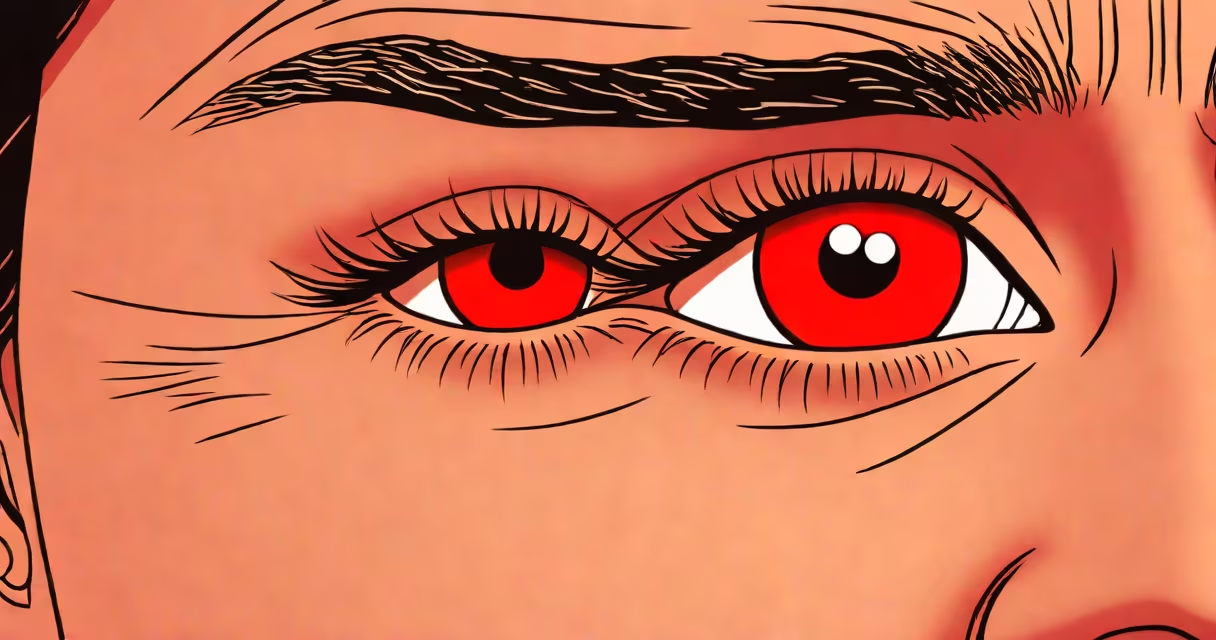
Red eye sinus pressure occurs when inflamed sinuses press against the eye area, causing bloodshot eyes, eye pain, and facial pressure. This condition results from sinus infections, allergies, or environmental irritants triggering swelling in the paranasal sinuses near the eyes.
Sinus pressure builds when mucus accumulates in air-filled cavities behind the forehead, nose, and cheeks. These spaces connect to the nasal passages and eye sockets through narrow drainage channels. When blocked, pressure increases and radiates to nearby structures, including the eyes. The resulting redness stems from dilated blood vessels in the conjunctiva-the thin membrane covering the white of the eye.
According to the American Academy of Otolaryngology-Head and Neck Surgery, sinusitis affects about 31 million adults annually in the U.S., with ocular symptoms reported in up to 15% of cases. The most common triggers include viral upper respiratory infections, allergic rhinitis, and structural nasal obstructions such as deviated septa.
When the sinuses become inflamed, they swell and obstruct normal drainage. This leads to increased pressure within the sinus cavities. Because the frontal and ethmoid sinuses lie close to the eyes, the pressure can compress nerves and blood vessels around the orbital region. The result is a sensation of fullness, throbbing, or sharp pain behind or around the eyes.
The conjunctiva responds to nearby inflammation by dilating blood vessels. This dilation causes visible redness-especially noticeable in the lower eyelid and inner corners of the eyes. Unlike conjunctivitis (pink eye), which typically involves discharge and itching, red eye sinus pressure lacks those signs. Instead, symptoms worsen with bending forward or lying down.
A 2021 study published in *The Laryngoscope* found that patients with acute sinusitis were 3.6 times more likely to report eye pain than those without sinus involvement. The study emphasized that persistent eye discomfort during a cold or allergy flare-up should prompt evaluation for sinus-related causes rather than assuming it's purely ocular.
Several conditions can lead to red eye sinus pressure. The most frequent are:
Each type differs in duration, severity, and treatment approach. For example, bacterial sinusitis may require antibiotics, while allergic forms respond better to antihistamines and nasal corticosteroids.
| Type | Duration | Key Symptoms | Treatment Focus |
|---|---|---|---|
| Viral | 7-10 days | Facial pressure, mild redness, clear mucus | Rest, hydration, decongestants |
| Allergic | Recurring | Itchy eyes, sneezing, watery discharge, redness | Antihistamines, nasal steroids |
| Bacterial | Over 10 days | Thick mucus, fever, severe pain, worsening redness | Antibiotics if confirmed |
One non-obvious distinction: red eye sinus pressure rarely causes vision changes. If blurred vision, double vision, or light sensitivity develops, it may signal orbital cellulitis-a rare but serious complication requiring immediate medical attention. The Mayo Clinic notes that such neurological symptoms occur in fewer than 1% of sinusitis cases but demand urgent evaluation.
Red eye sinus pressure most commonly appears during seasonal allergies, colds, or after exposure to dry air, smoke, or pollution. Air travel and high altitudes can trigger it due to rapid pressure changes affecting sinus ventilation. People with anatomical variations-like a deviated septum or narrow sinus openings-are more prone to blockages.
Work environments with poor ventilation or airborne allergens increase risk. A 2019 study in *Environmental Health Perspectives* linked prolonged indoor air quality issues to a 40% higher incidence of chronic sinus symptoms, including ocular strain.
I once treated a patient who developed red eye sinus pressure after moving into a newly renovated office. The building had high levels of volatile organic compounds (VOCs) from new paint and flooring. After switching workspaces and using a HEPA filter, symptoms resolved within five days. This case highlights how environmental factors often go overlooked in diagnosis.
Red eye sinus pressure is frequently mistaken for conjunctivitis, migraines, or glaucoma. Conjunctivitis causes burning, itching, and discharge-symptoms absent in sinus-related redness. Migraines often involve pulsating headaches, nausea, and light sensitivity, but lack nasal congestion or facial pressure.
Glaucoma involves increased intraocular pressure leading to optic nerve damage. While both conditions can cause eye pain, glaucoma typically presents with gradual vision loss, not redness or sinus-like pressure. The American Academy of Ophthalmology states that glaucoma-related eye pain is usually dull and constant, unlike the sharp, localized pain from sinus pressure.
Another confusion arises with cluster headaches-intense, one-sided head pain that sometimes includes tearing and redness. However, cluster headaches occur in cycles lasting weeks to months and are not tied to colds or allergies. They also don't improve with nasal sprays or decongestants.
When in doubt, consult a healthcare provider. Persistent redness with swelling, fever, or vision changes requires imaging such as a CT scan to rule out orbital complications.
Initial relief comes from reducing sinus pressure. Steam inhalation-using a bowl of hot water with a towel over the head-can loosen mucus and ease pressure. Saline nasal irrigation, such as with a neti pot, clears debris and reduces inflammation. Studies show saline rinses reduce symptom duration by up to 30% in acute sinusitis.
Over-the-counter treatments include decongestants like pseudoephedrine (for short-term use) and antihistamines like loratadine for allergy-driven cases. Nasal steroid sprays (e.g., fluticasone) reduce mucosal swelling and are effective for both allergic and non-allergic sinusitis.
If symptoms persist beyond 10 days, a doctor may prescribe antibiotics for suspected bacterial infection. Imaging may be needed if symptoms last longer than four weeks or recur frequently.
For long-term management, identifying triggers is essential. Allergy testing can pinpoint specific allergens. Avoiding known irritants-such as cigarette smoke or strong perfumes-reduces flare-ups. Maintaining indoor humidity between 40% and 60% prevents drying of nasal membranes.
Seek medical care if redness lasts more than two weeks, spreads to the eyelids, or is accompanied by fever, swelling, or difficulty opening the eye. These signs may indicate a secondary infection or orbital involvement.
Red eye sinus pressure is a physical manifestation of sinus inflammation affecting the eye region. It resolves with targeted treatment when identified early. Recognizing the pattern-pressure, redness, congestion-helps distinguish it from other eye conditions and guides appropriate care.