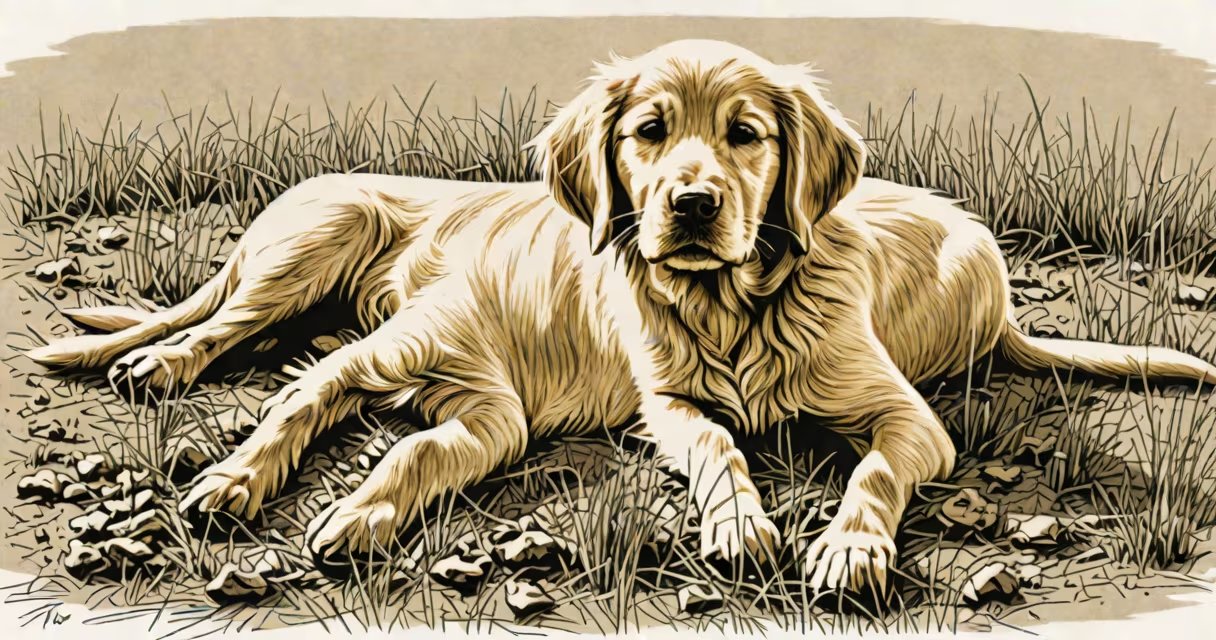
Puppies poop frequently because their digestive systems process food quickly, often producing stool every 4 to 6 hours. This high frequency stems from small stomach capacity, rapid metabolism, and immature gut flora. Normal puppy stool volume is small, typically the size of a golf ball or less, and consistency should be firm but soft-like peanut butter.
Puppies have underdeveloped gastrointestinal tracts. Their stomachs hold only 1 to 2 ounces of food at a time, and food moves through the system in 4 to 6 hours. This speed leads to frequent defecation, especially after meals. A 10-week-old puppy may defecate 3 to 5 times daily, sometimes more if fed multiple small meals. This pattern is normal and expected during early development.
Normal frequency varies by breed, size, and diet. Small breeds like Chihuahuas may defecate up to 6 times a day due to faster transit times. Large breeds such as Great Danes tend to go less often, around 2 to 3 times daily. A sudden increase beyond typical patterns-such as going 6 or more times in a 24-hour period-may signal illness, dietary intolerance, or parasitic infection.
The primary reason puppies poop frequently is their high metabolic rate. Puppies grow rapidly and require energy-dense diets. High-protein foods pass through the gut quickly, leading to frequent stool production. For example, a 12-week-old Labrador puppy fed a 30% protein kibble may defecate within 5 hours of eating, compared to adult dogs that take 12 to 24 hours.
Diet composition plays a major role. High-fiber diets slow transit time, reducing frequency. Low-fiber or grain-free diets may increase stool frequency. A study published in the Journal of Animal Physiology and Nutrition found that puppies fed a grain-free diet had 20% more bowel movements per day than those on a grain-containing diet, though stool quality remained acceptable.
Parasites such as roundworms and giardia are common causes of increased defecation. These organisms consume nutrients and irritate the intestinal lining, triggering more frequent contractions. A single female roundworm can lay up to 200,000 eggs per day, leading to inflammation and diarrhea. Routine fecal exams at 6, 8, 10, and 12 weeks of age are recommended to detect parasites early.
While frequent pooping is typical, certain signs indicate a problem. Loose or watery stools, blood in feces, mucus coating, or foul odor suggest infection or inflammation. A puppy that strains to defecate, passes small amounts repeatedly, or shows lethargy may have constipation or obstruction. These symptoms require veterinary evaluation.
One non-obvious sign is changes in stool color. Black, tarry feces indicate digested blood-common in cases of gastric ulcers or bleeding in the upper GI tract. Yellow or pale stools suggest liver or bile duct issues. Green stools may result from rapid transit or ingestion of green plant material. A puppy that defecates yellow, greasy stools after eating may have exocrine pancreatic insufficiency (EPI), a condition affecting enzyme production.
During a routine wellness visit, my own puppy-a 10-week-old Shih Tzu-was brought in for excessive defecation. He was pooping 7 times a day, with loose, mucus-coated stools. Fecal testing revealed Giardia. After a 10-day course of metronidazole and a switch to a hypoallergenic diet, his frequency dropped to 3 times daily with solid stools. This case illustrates how common infections can mimic normal behavior.
Many owners assume that frequent pooping means poor training or lack of discipline. This is incorrect. Frequency is a biological function, not a behavioral issue. A puppy cannot control bowel movement timing, especially during the first 12 weeks of life. Training focuses on location, not frequency.
Another misconception is that all diarrhea is caused by worms. While parasites are a frequent cause, viral infections like parvovirus can produce similar symptoms. Parvo causes severe vomiting, dehydration, and bloody diarrhea. It spreads through contact with contaminated feces and can kill unvaccinated puppies within 48 hours. Vaccination at 6, 8, and 12 weeks is critical.
A third error is assuming that healthy puppies must defecate every day. Some puppies may skip a day, especially if they're stressed or adjusting to a new home. However, skipping more than two consecutive days indicates constipation. A puppy that hasn't defecated in 48 hours should be evaluated for impaction or intestinal blockage.
| Normal Pattern | Red Flag |
|---|---|
| 3-5 times/day, firm or soft stool | More than 6 times/day, watery or bloody stool |
| Stool size: golf ball or smaller | Stool too large or too small (e.g., marbles) |
| Defecation within 6 hours of eating | Straining, crying, or passing nothing despite effort |
For persistent issues, consult a veterinarian. If your puppy shows signs of pain, fever, or weight loss, seek care immediately. Chronic diarrhea can lead to dehydration and malnutrition, especially in small breeds.
Understanding normal puppy poop frequency helps distinguish between healthy growth and potential illness. Most cases of "puppy poop a lot" are harmless and resolve with proper diet and parasite prevention. Monitor stool consistency, frequency, and behavior. When in doubt, get a vet check-early intervention prevents complications.