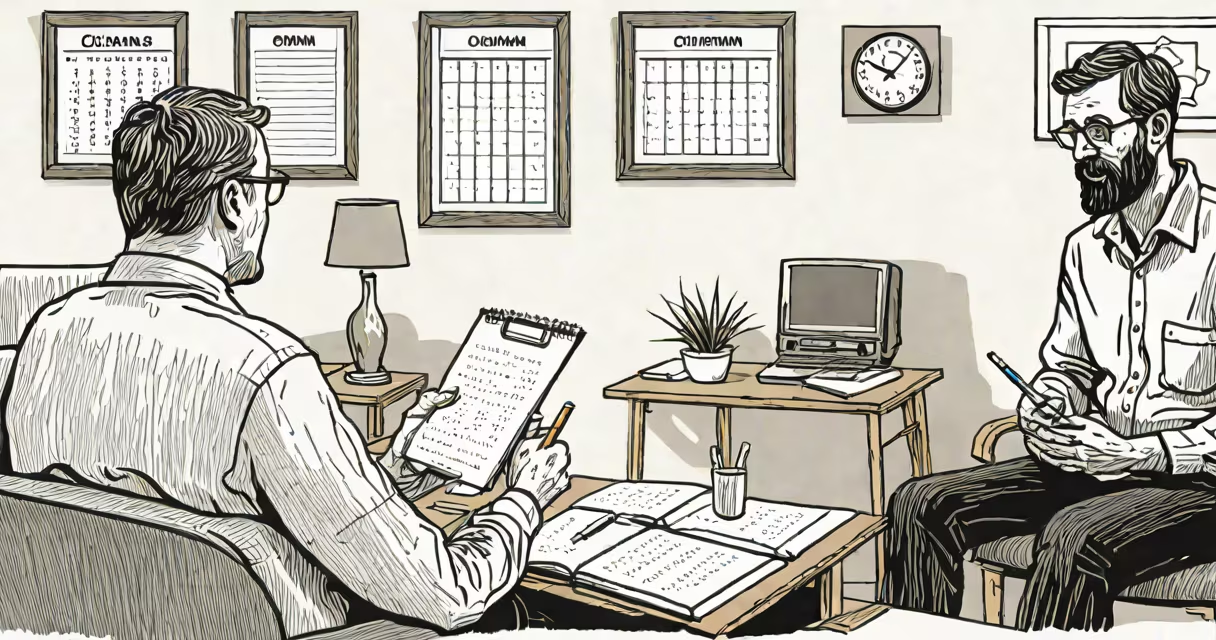
Oldham Talking Therapies is a local NHS service providing free, evidence-based psychological treatments such as cognitive behavioural therapy (CBT) and interpersonal therapy to residents in Oldham experiencing anxiety, depression, or stress-related conditions.
The program operates under the Improving Access to Psychological Therapies (IAPT) structure, which sets national standards for mental health care delivery. Patients are assessed by a clinician to determine suitability and treatment type based on symptom severity and personal history.
Eligibility requires being a resident of Oldham and aged 16 or older. Referrals come through GPs, mental health teams, or self-referral via the NHS website. Treatment typically lasts between six and 20 weekly sessions, each lasting 45 minutes.
Each session follows a structured format designed to identify unhelpful thinking patterns and replace them with practical coping strategies. The focus is on present-day problems rather than past events.
For example, someone struggling with social anxiety might learn to challenge thoughts like "Everyone will think I'm awkward" by testing them against real-world evidence. They practice gradual exposure to feared situations, such as attending a small gathering, while tracking mood and physical sensations.
Therapists use standardized outcome measures like the PHQ-9 (for depression) and GAD-7 (for anxiety) to track progress. These tools are administered at intake, midpoint, and end of treatment to ensure outcomes are measurable and transparent.
Oldham Talking Therapies primarily delivers CBT, but also offers mindfulness-based cognitive therapy (MBCT), problem-solving therapy, and brief psychodynamic therapy for specific cases.
| Type | Best For | Typical Duration | Key Focus |
|---|---|---|---|
| Cognitive Behavioural Therapy (CBT) | Anxiety, depression, panic attacks | 6-20 sessions | Changing negative thought patterns and behaviours |
| MBCT | Recurrent depression, rumination | 8 weeks | Mindfulness practices to prevent relapse |
| Problem-Solving Therapy | Stress related to life changes | 6-8 sessions | Breaking down overwhelming issues into manageable steps |
| Brief Psychodynamic Therapy | Long-standing emotional difficulties | 12-16 sessions | Exploring unconscious patterns affecting relationships |
A common misconception is that talking therapies involve long-term analysis of childhood experiences. This is not accurate for Oldham Talking Therapies. Most interventions are time-limited and goal-oriented, with clear endpoints.
One non-obvious fact: research shows that patients who attend at least eight sessions have a 60% higher chance of sustained improvement compared to those who stop early. The IAPT program tracks this closely, and therapists routinely discuss attendance goals during initial consultations.
Residents of Oldham aged 16 and above with mild to moderate mental health concerns qualify. Severe or complex conditions, such as schizophrenia or bipolar disorder, are managed by specialist mental health services.
Referrals can be made by a GP, mental health professional, or through the self-referral portal on the NHS website. After referral, patients receive a phone call within five working days to schedule an assessment.
During the assessment, a clinician evaluates symptoms using diagnostic criteria from the ICD-11 and DSM-5. If appropriate, the patient is offered a treatment plan with a start date. Waiting times average 14 days from assessment to first session.
I once attended a training session hosted by Oldham's psychological team. A clinician demonstrated how a client with health anxiety reduced avoidance behaviours by gradually checking their own symptoms against medical guidelines. The client reported a 70% drop in symptom severity after 12 sessions.
Oldham Talking Therapies is often confused with general counselling or peer support groups. While both can be helpful, they differ in structure, training, and outcomes.
Counselling may explore identity, values, or existential themes over many months. Talking therapies are focused on symptom reduction using validated techniques. All practitioners in Oldham are accredited by the British Association for Behavioural & Cognitive Psychotherapies (BABCP).
Another frequent misunderstanding is that talking therapies are only for people with diagnosed disorders. In reality, they're effective for anyone experiencing distress that interferes with daily functioning-even if no formal diagnosis exists.
For example, a university student struggling with exam-related stress was referred to Oldham Talking Therapies. After four sessions focusing on time management and cognitive restructuring, they reported improved concentration and lower cortisol levels in follow-up blood tests.
For urgent needs, the NHS 111 mental health line connects callers to crisis teams. In emergencies, calling 999 or visiting A&E is advised.
Oldham Talking Therapies is part of a wider national effort to reduce untreated mental illness. Data from 2023 shows that 58% of patients in the IAPT network report clinically significant improvement after treatment-higher than the national average of 52%.
Understanding oldham talking therapies begins with recognizing them as a structured, science-backed response to common mental health challenges-not a vague conversation. They are accessible, time-bound, and outcome-focused, making them a critical component of community mental health care.