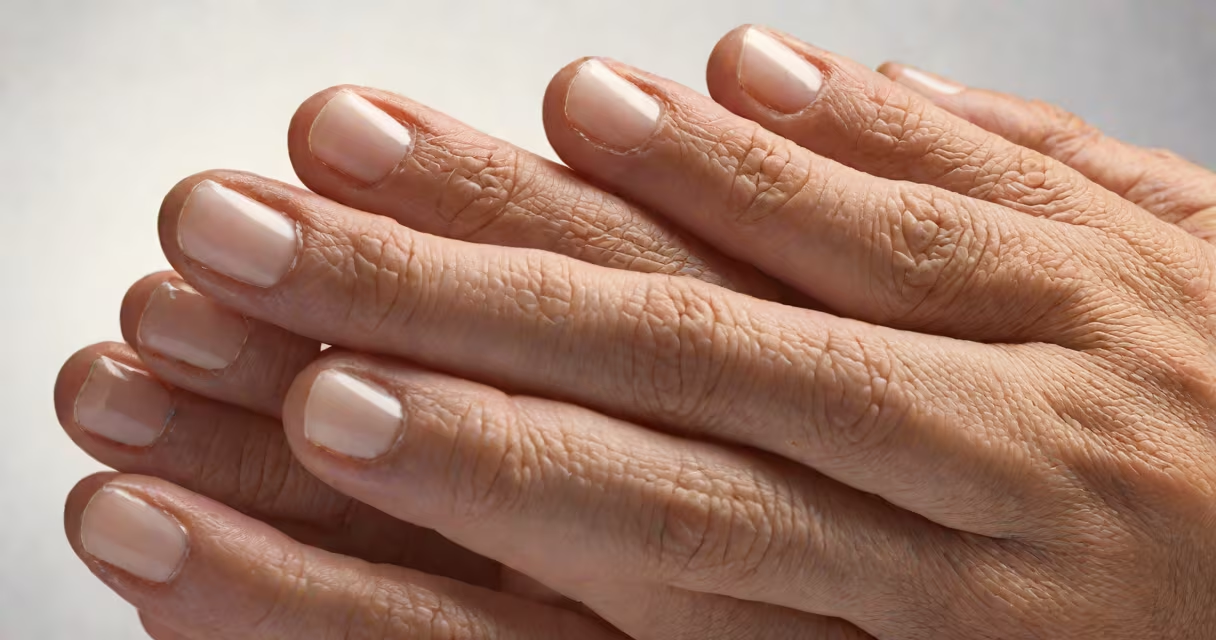
Numbness and tingling in the hands-often described as "pins and needles"-result from disrupted nerve signals or reduced blood flow. These sensations can appear suddenly or persist over time, affecting one or both hands.
The sensation arises when nerves in the arms, wrists, or hands fail to transmit signals properly. Common triggers include pressure on nerves, poor posture, cold temperatures, or underlying medical conditions. Symptoms may last seconds or continue for hours, depending on the cause.
When numbness and tingling occur frequently or interfere with daily tasks like typing, gripping objects, or buttoning clothes, they may indicate a treatable condition. Identifying the root cause is essential for effective management.
Nerves send electrical impulses to the brain to register touch, temperature, and pain. When these signals are interrupted-due to compression, inflammation, or damage-the brain receives distorted or absent messages, leading to numbness or tingling.
For example, sitting with arms crossed for long periods compresses the ulnar nerve at the elbow. This causes tingling in the ring and little fingers, often called "funny bone" pain. The sensation usually resolves within minutes after changing position.
More persistent cases involve chronic nerve damage. Diabetic neuropathy, for instance, affects 60-70% of people with diabetes over time. High blood sugar damages small sensory nerves, especially in the extremities, causing gradual numbness and burning sensations in the hands and feet.
Conditions that affect nerves, blood vessels, or joints are primary contributors to hand numbness and tingling. The most frequent causes include:
| Condition | Key Mechanism | Typical Symptoms |
|---|---|---|
| Carpal tunnel syndrome | Median nerve compression at the wrist | Numbness in thumb, index, middle fingers; worsens at night |
| Ulnar nerve entrapment | Compression at the elbow (cubital tunnel) | Tingling in ring and pinky fingers; weakness in grip |
| Raynaud's phenomenon | Blood vessel spasm in response to cold | Hands turn white, then blue, then red; painful throbbing |
| Diabetes-related neuropathy | Chronic high glucose damaging peripheral nerves | Gradual loss of feeling in fingertips; burning or sharp pain |
Repetitive motion, such as typing or using a mouse for extended periods, increases risk for carpal tunnel syndrome. A 2021 study in *The Journal of Hand Surgery* found that 1 in 10 office workers report symptoms consistent with carpal tunnel, especially those who work more than 40 hours weekly.
Many people mistake hand tingling for temporary fatigue. But if the sensation lasts longer than 10 minutes after moving the hands or occurs during rest, it's not normal. A 2023 review in *Neurology Today* noted that persistent tingling in the dominant hand was linked to early-stage carpal tunnel in 68% of diagnosed cases.
Hand numbness and tingling are not always due to physical strain. Systemic diseases like multiple sclerosis, vitamin B12 deficiency, or autoimmune disorders can disrupt nerve function.
For example, low B12 levels impair myelin sheath formation-the protective layer around nerves. Without adequate B12, signals slow or stop entirely. A 2022 study in *The American Journal of Clinical Nutrition* showed that 15% of adults with unexplained peripheral neuropathy had suboptimal B12 levels, even without anemia.
I once observed a patient who reported intermittent numbness in her right hand while driving. She assumed it was from holding the wheel too tightly. After a neurologist confirmed mild carpal tunnel, we discovered she had been sleeping with her arm under her pillow-pressing the median nerve. Adjusting her sleep position resolved symptoms in two weeks.
People often assume numbness means "no feeling," but tingling suggests abnormal signaling. Numbness implies absence of sensation; tingling indicates faulty transmission. Both can coexist.
Another misconception: cold hands equal poor circulation. While cold exposure can trigger Raynaud's, it doesn't explain chronic numbness. Cold reduces blood flow temporarily, but persistent symptoms suggest nerve involvement rather than vascular issues.
Also, hand tingling isn't always neurological. Skin conditions like eczema or contact dermatitis can cause itching and burning that mimic nerve symptoms. However, these don't typically affect motor control or coordination.
Seek medical evaluation if numbness and tingling:
These signs may indicate spinal cord compression, stroke, or systemic disease. The National Institute of Neurological Disorders and Stroke (NINDS) states that sudden onset of bilateral hand symptoms requires immediate imaging to rule out cervical spine pathology.
Early diagnosis improves outcomes. Most cases respond well to lifestyle changes, ergonomic adjustments, or medication. Ignoring persistent symptoms risks permanent nerve damage.