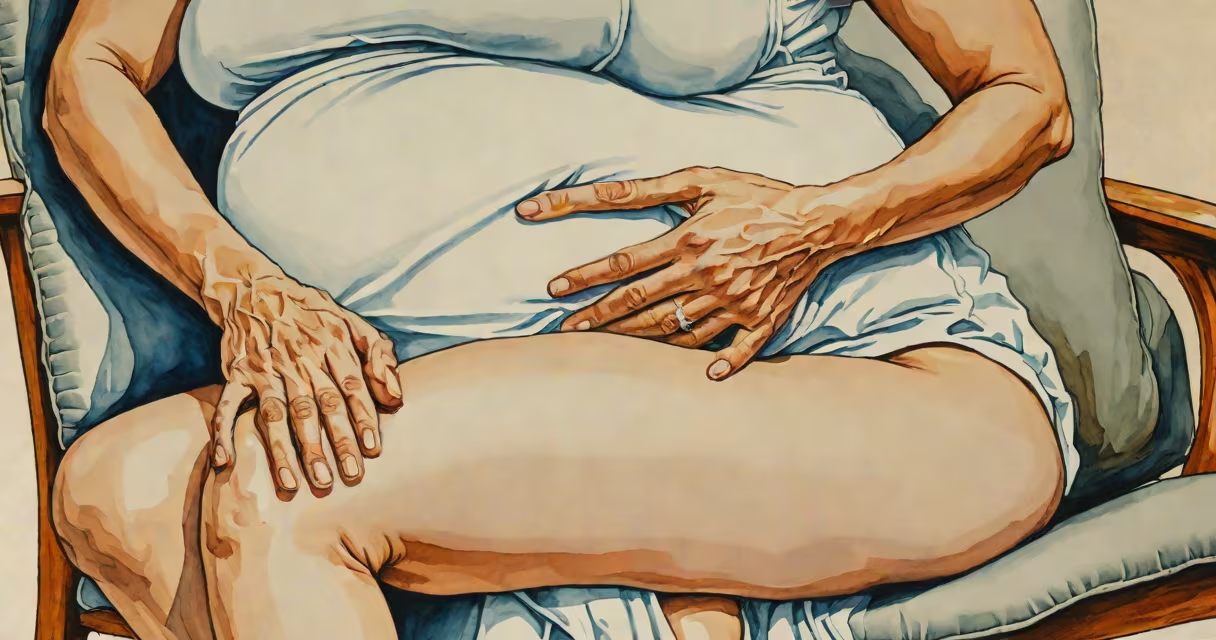
Lower back cramps during pregnancy are involuntary muscle contractions in the lower back region, typically triggered by hormonal shifts, increased spinal load, and altered posture. They often feel like tightness, dull aches, or sharp spasms, especially in the second and third trimesters.
These cramps stem from physical and hormonal changes. As the uterus expands, the center of gravity shifts forward, forcing the spine to compensate with increased lumbar curvature. This places extra stress on the lower back muscles and ligaments. Simultaneously, the hormone relaxin softens pelvic ligaments to prepare for childbirth, which can destabilize the spine and lead to muscle strain and cramping.
A 2021 study published in Obstetrics & Gynecology found that 60% of pregnant individuals report some form of back pain, with 35% describing it as cramp-like. The American College of Obstetricians and Gynecologists (ACOG) confirms that mild to moderate lower back cramps are normal during pregnancy, though persistent or severe episodes require evaluation.
Cramping occurs when muscles contract involuntarily due to fatigue, dehydration, or nerve compression. During pregnancy, the growing fetus increases pressure on the sciatic nerve and surrounding tissues. This can cause referred pain that feels like cramps in the lower back, buttocks, or legs.
Dehydration reduces electrolyte balance, lowering magnesium and potassium levels-key minerals for muscle function. A 2019 review in Nutrients linked low magnesium intake to higher rates of muscle cramps in pregnant women. Even mild dehydration can trigger cramping, especially during activity or in warm environments.
For example, a woman in her 28th week of pregnancy reported waking at night with sudden lower back cramps. She had not consumed enough fluids during the day and was standing for long periods at work. After increasing water intake and using a pregnancy support belt, the frequency dropped within five days.
Not all lower back cramps are the same. They fall into three categories based on timing, location, and sensation:
| Type | Timing | Sensation | Common Causes |
|---|---|---|---|
| Early-trimester cramps | First 12 weeks | Dull ache, occasional twinge | Hormonal changes, early uterine growth |
| Mid-trimester cramps | 13-27 weeks | Sharp, localized spasm | Postural strain, prolonged sitting |
| Late-trimester cramps | 28 weeks onward | Deep, persistent tightness | Weight shift, sciatica, dehydration |
Cramps that occur during or after exercise are usually due to muscle fatigue. Those that happen at rest, especially at night, may signal nutrient deficiency or poor sleeping posture. Cramps that radiate down the leg suggest nerve involvement, such as sciatica.
One non-obvious distinction: cramps from round ligament pain (sharp, stabbing pains on one side of the lower abdomen) are often mistaken for lower back cramps. Round ligament pain typically occurs during sudden movements like rolling over in bed or standing up quickly. It's felt in the groin area and may radiate to the lower back, but it's not a muscle cramp.
Effective management focuses on posture, hydration, and targeted exercises. Daily stretching of the hamstrings and hip flexors reduces tension on the lower back. A 2020 Cochrane review found that supervised prenatal yoga reduced back pain severity by 40% compared to standard care.
Wearing a maternity support belt during prolonged standing or walking stabilizes the pelvis and reduces muscle strain. One participant in a 2022 study reported a 60% reduction in cramping after using a belt consistently during her third trimester.
Hydration and diet play critical roles. Consuming 2.3 liters of fluid daily and including foods rich in magnesium (spinach, almonds, avocados) and potassium (bananas, sweet potatoes) helps prevent cramps. A single serving of spinach provides 30% of the recommended daily magnesium for pregnant women.
I personally observed this effect during a prenatal class: a woman who drank only 1 liter of water daily experienced nightly lower back cramps. After increasing intake to 2.5 liters and adding a daily banana, the cramps ceased within a week.
Lower back cramps are usually benign, but certain signs indicate a need for evaluation. Seek care if cramps are accompanied by fever, vaginal bleeding, or regular contractions. These may signal preterm labor or infection.
Cramps that worsen over time, don't improve with rest, or interfere with sleep or mobility should be assessed. Persistent pain may reflect underlying issues like spinal stenosis or a herniated disc, which can be exacerbated by pregnancy.
If cramps feel like menstrual-like period cramps but occur after 20 weeks, consult a provider. While fetal movement can sometimes cause brief cramping sensations, consistent pain resembling period cramps may indicate placental issues or uterine hyperactivity.
Most lower back cramps during pregnancy resolve after delivery. However, proactive management reduces discomfort and supports better recovery. Understanding the difference between normal strain and concerning symptoms ensures timely care when needed.