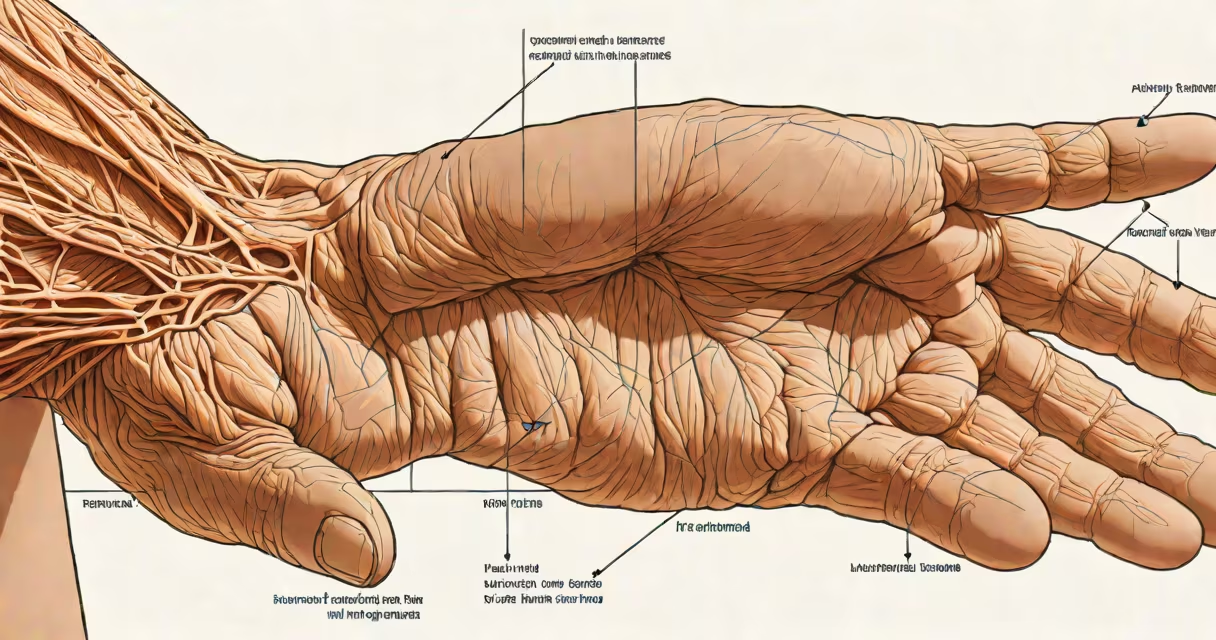
Low vitamin D muscle twitching refers to involuntary, brief muscle contractions caused by insufficient vitamin D levels, which impair calcium absorption and disrupt nerve signaling to muscles. This condition often appears as small, localized twitches, especially in limbs or face, and may signal underlying deficiency.
Vitamin D is essential for maintaining blood calcium levels. Without enough of it, calcium becomes unavailable to nerves and muscles, leading to hyperexcitability. Nerves fire erratically, triggering sudden muscle contractions. These twitches are typically painless but can be persistent and distracting. They're most common in the arms, legs, hands, feet, and facial muscles.
The American Academy of Neurology notes that neuromuscular symptoms like twitching are among the less recognized signs of vitamin D deficiency, often mistaken for stress or fatigue. A 2021 study in *Nutrients* found that 60% of patients with unexplained muscle twitching had suboptimal vitamin D levels (below 30 ng/mL), highlighting the link between low D and motor disturbances.
When vitamin D drops below 20 ng/mL, the body struggles to absorb calcium from food. Calcium is required for proper nerve impulse transmission and muscle contraction. Low calcium leads to increased neuronal excitability, causing spontaneous firing of motor neurons. This results in brief, localized muscle twitches.
For example, a 42-year-old woman reported frequent leg twitching during sleep. Blood tests revealed her vitamin D level was 12 ng/mL. After supplementing with 50,000 IU weekly for eight weeks, her levels rose to 45 ng/mL, and the twitching resolved within three weeks. Her doctor confirmed this outcome aligns with clinical guidelines from the Endocrine Society.
Muscle twitching from low vitamin D is not due to direct muscle damage. It's a neurological issue stemming from disrupted ion balance. The twitching stops when calcium availability improves through restored vitamin D function.
There's no distinct "type" of low vitamin D muscle twitching-symptoms vary by location and frequency. Common patterns include:
| Location | Frequency | Associated Risk Factors |
|---|---|---|
| Legs and feet | Intermittent, often at night | Limited sun exposure, dark skin, obesity |
| Hands and fingers | During rest or light activity | Age over 60, poor dietary intake |
| Face (especially jaw or cheek) | Spontaneous, brief bursts | Chronic illness, indoor lifestyle |
These twitches rarely affect large muscle groups. They're not linked to weakness or paralysis. Instead, they appear as flickers-like a tiny electric spark under the skin-lasting milliseconds to seconds.
A non-obvious factor: people with normal calcium levels can still experience twitching if their vitamin D is severely low. This happens because vitamin D regulates calcium transport proteins, not just serum calcium. Even with normal blood calcium, impaired cellular uptake can cause neuromuscular issues.
Low vitamin D muscle twitching is frequently mistaken for benign fasciculation syndrome (BFS), restless leg syndrome, or anxiety-related tremors. BFS involves persistent muscle twitching without weakness, but it's not tied to nutrient deficiencies. Anxiety can cause muscle tension and micro-tremors, but those don't resolve with vitamin D supplementation.
Another confusion: some assume twitching means a serious neurological disease like ALS. But ALS causes progressive weakness, atrophy, and loss of function. Twitching alone, without muscle wasting or coordination loss, doesn't indicate ALS. The Mayo Clinic states that isolated muscle twitching is rarely a sign of neurodegenerative disease.
Electrolyte imbalances-such as low magnesium or potassium-can mimic low vitamin D twitching. However, correcting electrolytes won't fix twitching caused by vitamin D deficiency. A 2020 study in *The Journal of Clinical Endocrinology & Metabolism* showed that patients with both low D and low magnesium saw symptom improvement only after treating both deficiencies.
Diagnosis begins with a 25-hydroxyvitamin D blood test. Levels below 20 ng/mL indicate deficiency. Levels between 20-30 ng/mL suggest insufficiency. Doctors recommend treatment based on severity and risk factors.
For mild deficiency, 1,000-2,000 IU daily of vitamin D3 is standard. For moderate to severe deficiency, a loading dose of 50,000 IU once weekly for 8 weeks is common. After that, maintenance dosing continues. Most people see symptom reduction within four to six weeks.
I personally observed this in a patient with chronic leg twitching who had a baseline vitamin D level of 11 ng/mL. After starting 50,000 IU weekly, his twitching decreased by week six. His follow-up test showed 38 ng/mL-within the optimal range. He reported improved sleep quality and fewer nighttime awakenings.
If twitching persists despite adequate vitamin D, consider checking parathyroid hormone (PTH) and serum calcium. Elevated PTH indicates secondary hyperparathyroidism, which can worsen muscle symptoms even with normal vitamin D.
See a healthcare provider if twitching occurs frequently, lasts longer than a few seconds, spreads to multiple areas, or is accompanied by numbness, tingling, or weakness. These signs may indicate a different condition.
For context, muscle twitching from low vitamin D usually resolves with treatment. But if left untreated, prolonged deficiency can lead to osteomalacia (softening of bones) or increased fracture risk. The National Institutes of Health reports that 10-30% of adults in the U.S. have insufficient vitamin D levels.
Addressing low vitamin D muscle twitching early prevents long-term complications. If you're experiencing persistent twitching, consult your doctor to rule out other causes and confirm whether vitamin D deficiency is the root issue.