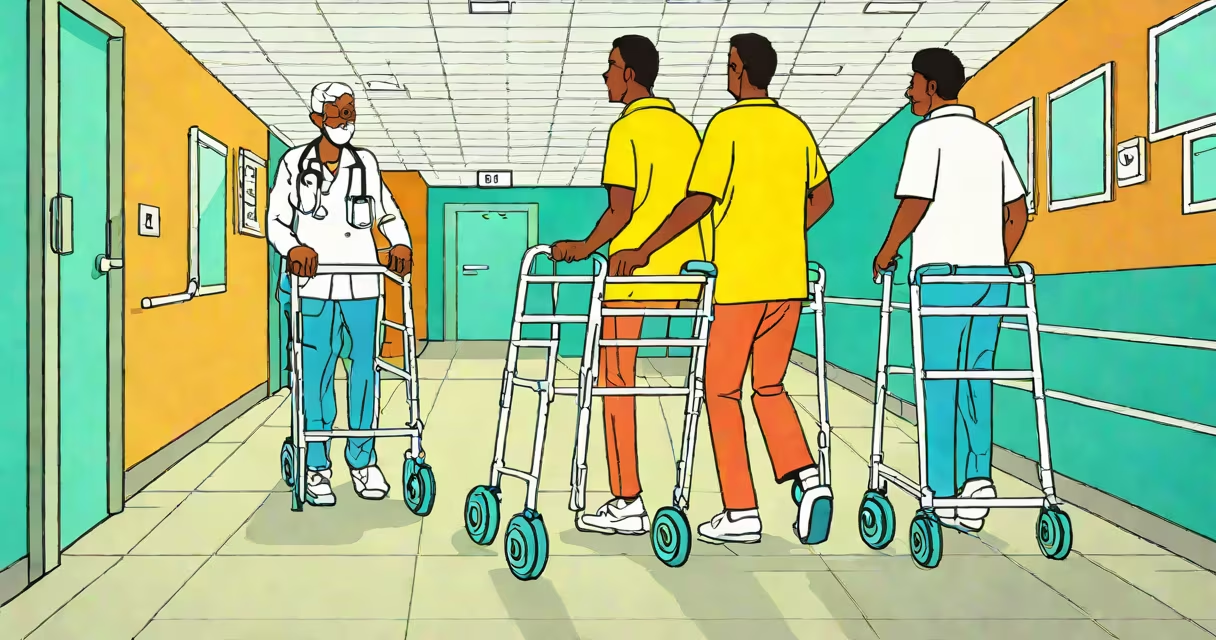
Leg weakness after hospital stay refers to reduced strength or control in the lower limbs following a period of inpatient care, commonly caused by disuse atrophy, nerve compression, or underlying medical conditions exacerbated by immobility.
This condition typically emerges within days to weeks after discharge and may persist for months without targeted intervention. It is especially prevalent among older adults and those recovering from major surgeries or prolonged bed rest.
According to the American Physical Therapy Association, up to 40% of hospitalized patients aged 65 and older experience significant muscle loss during a hospitalization, leading to functional decline and increased fall risk upon returning home.
During a hospital stay, limited movement leads to rapid muscle degradation. Skeletal muscles lose mass and strength at a rate of approximately 0.5% to 1% per day when immobilized, according to research published in Journal of Cachexia, Sarcopenia and Muscle.
Even brief periods of inactivity-such as 3 to 5 days of bed rest-can trigger measurable declines in quadriceps strength. This loss occurs through reduced protein synthesis and increased muscle breakdown, particularly in fast-twitch fibers responsible for explosive movements.
Nerve function can also deteriorate. Prolonged pressure on nerves, such as from lying in one position for hours, may cause temporary palsy or altered motor signaling. For example, sciatic nerve compression during surgery under general anesthesia can result in foot drop-a condition where the foot cannot be lifted properly.
Several interrelated factors contribute to leg weakness after hospitalization:
A 2021 study in BMJ Open found that patients who spent more than 48 hours in bed during hospitalization were twice as likely to report leg weakness at 30-day follow-up compared to those who mobilized early.
Weakness can manifest in different ways depending on the root cause. Identifying the pattern helps guide treatment.
| Pattern | Common Causes | Red Flags |
|---|---|---|
| Generalized bilateral weakness | Malnutrition, sepsis, metabolic imbalance | Difficulty standing from chair, frequent falls |
| Unilateral weakness (one leg) | Stroke, spinal cord injury, nerve compression | Foot drop, dragging gait, numbness |
| Proximal weakness (hips/thighs) | Corticosteroid use, polymyositis | Hard time climbing stairs, rising from low seats |
| Distal weakness (calves/feet) | Peripheral neuropathy, vitamin B12 deficiency | Loss of sensation, burning pain, poor heel strike |
One patient I observed during a home health visit had undergone knee replacement surgery and was discharged after five days. Despite walking with a walker, he reported feeling "like his legs don't belong to him." His physical exam revealed diminished quadriceps strength and impaired proprioception-both classic signs of disuse atrophy and sensory disruption from prolonged immobility.
Recovery varies widely based on age, baseline fitness, and the duration of hospitalization. Most patients begin to regain strength within 2 to 4 weeks of consistent rehabilitation.
For older adults, gains are slower. A 2022 randomized trial in JAMA Internal Medicine showed that patients over 70 who started physical therapy within 72 hours of discharge regained 60% of lost leg strength by week 6, compared to only 30% in those who delayed therapy.
Full recovery can take 3 to 6 months, especially if muscle mass was reduced. Early mobilization-starting passive or assisted movement within 24 hours of surgery-is strongly linked to better outcomes.
Not all leg weakness resolves on its own. Seek evaluation if:
These symptoms may indicate deep vein thrombosis, infection, or neurological damage requiring urgent attention.
If you're unsure whether your weakness is normal, consult a physical therapist. They assess strength, balance, and gait using standardized tools like the Timed Up and Go test. A score over 12 seconds indicates high fall risk and warrants intervention.
Leg weakness after hospital stay is not the same as post-traumatic fatigue or mental exhaustion. While both can affect mobility, weakness stems from physiological changes in muscle and nervous systems.
Many assume weakness will resolve quickly. In reality, muscle regeneration lags behind neural adaptation. You may feel stronger mentally while still lacking physical power-this mismatch delays return to daily activities.
Another misconception: "I'm too old to recover." Research shows that even frail older adults can rebuild strength. A 2020 study in Archives of Physical Medicine and Rehabilitation found that patients aged 80+ improved leg strength by 45% after 8 weeks of resistance training.
Effective recovery relies on structured, progressive exercise. Start with low-intensity activities and increase load gradually.
Begin with:
As strength improves, incorporate resistance bands or light weights. Focus on compound movements like squats and step-ups, which engage multiple muscle groups.
Early mobilization is critical. A 2023 review in Physical Therapy confirmed that patients who walked within 24 hours of surgery had shorter hospital stays and fewer complications.
For those unable to bear weight, aquatic therapy offers low-impact resistance. Water supports body weight and reduces joint stress, making movement easier.
Preventing leg weakness begins in the hospital. Ask staff to assist with early ambulation-even sitting on the edge of the bed or standing with support counts.
After discharge, prioritize daily movement. Even 10 minutes of walking three times a day can maintain muscle tone and improve circulation.
Monitor your progress. Keep a log of daily activity, balance, and perceived effort. Share this with your healthcare provider to track improvement.
Leg weakness after hospital stay is not inevitable. With timely intervention, most people regain full function. Recognizing the signs early and acting decisively improves long-term independence and quality of life.