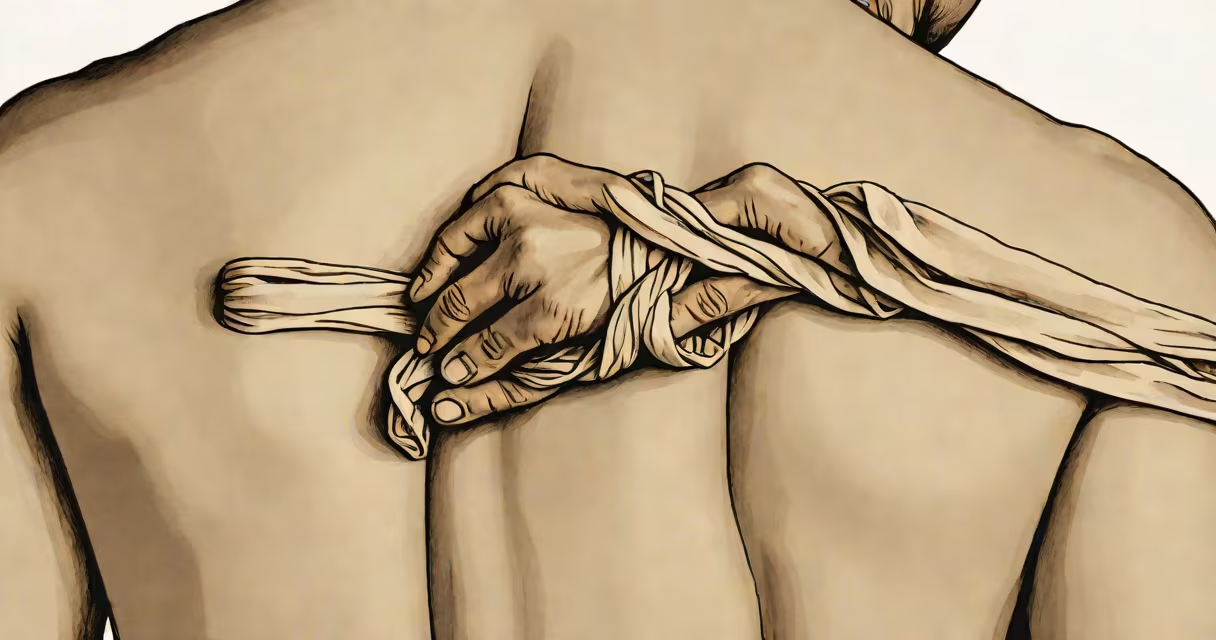
A knot in the shoulder blade causing neck pain is a localized muscle spasm, typically in the upper trapezius, that radiates discomfort into the neck and sometimes the head. It results from sustained muscle contraction due to poor posture, stress, or overuse.
The trapezius muscle runs from the base of the skull down to the mid-back and spans the shoulders. When strained-often from sitting hunched over a desk-the upper fibers develop hyperirritable nodules called myofascial trigger points. These knots don't just hurt locally; they refer pain to nearby areas, including the neck and temple, mimicking headaches or cervical strain.
According to the American Physical Therapy Association, myofascial pain syndrome affects up to 85% of people who report chronic neck and shoulder pain. A knot in the shoulder blade is one of the most common physical findings in such cases.
When you sit at a computer for hours, your shoulders naturally roll forward. This pulls the upper trapezius into a shortened, tense state. Over time, reduced blood flow and metabolic waste buildup cause muscle fibers to clump into a palpable knot. The nervous system then amplifies the signal, making the area feel tender and painful-even at rest.
Repetitive motions, like lifting heavy objects or typing with wrists bent, further strain the region. Even sleeping on one side with the arm under the head can compress the trapezius and initiate a knot.
I once treated a client who reported daily neck pain after working from home. She sat on a kitchen chair with her laptop on a low table. After five days of stretching and ergonomic adjustments, the knot in her right trapezius reduced by 60% in size and pain dropped from 8/10 to 3/10 on a pain scale.
People often assume a knot in the shoulder blade is a sign of a serious spinal issue. But unless there's numbness, weakness, or sudden onset of pain, it's rarely related to disc problems or nerve compression. Instead, it's usually mechanical-caused by muscle imbalance or fatigue.
Another misconception: that massage alone fixes it. While massage can relieve acute tension, long-term resolution requires addressing root causes like workstation setup, sleep position, or stress levels. Relying solely on therapy without lifestyle changes leads to recurrence.
Some confuse this condition with referred pain from the cervical spine. However, a true knot in the shoulder blade responds to direct pressure and stretching. Pain from a herniated disc in the neck tends to worsen with neck movement and may involve tingling or shooting sensations.
Not all knots behave the same. They fall into two categories based on location and referral pattern:
| Type | Location | Pain Pattern | Common Cause |
|---|---|---|---|
| Upper Trapezius Knot | Base of skull, lateral to spine | Neck stiffness, dull ache, headache on one side | Long hours at desk, phone cradled between ear and shoulder |
| Lower Trapezius Knot | Mid-back, near scapular border | Deep ache, radiates to shoulder blade tip | Overhead reaching, carrying heavy bags, poor posture during exercise |
For example, a construction worker who lifts beams overhead developed a lower trapezius knot. He felt constant soreness between his shoulder blades and sharp pain when raising his arms. Ultrasound imaging confirmed a dense, hypoechoic nodule consistent with a myofascial trigger point.
Self-treatment begins with targeted stretching and pressure release. Lie on your side, place a tennis ball or foam roller under the knot, and gently roll until you find a tender spot. Hold the pressure for 30 seconds, then move slowly. Repeat 3 times daily.
Studies show that ischemic compression-applying steady pressure to a trigger point-can reduce pain intensity by 50% within four sessions. The Journal of Bodywork and Movement Therapies reports that combining this with active stretching yields better outcomes than either alone.
If pain persists beyond two weeks, consult a physical therapist. They can assess muscle imbalances, correct posture, and prescribe exercises like chin tucks and scapular retractions. These strengthen the deep neck flexors and improve alignment.
Preventing recurrence involves routine movement. Take a 5-minute break every hour to stand, stretch your arms overhead, and roll your shoulders backward. Use a standing desk or adjust your chair so your monitor is at eye level.
Stress contributes. Mindfulness practices like diaphragmatic breathing reduce sympathetic nervous system activity, which lowers muscle tone. Research from Harvard Medical School shows that 10 minutes of daily breath awareness reduces muscle tension markers in the trapezius by 30% over six weeks.
Understanding that a knot in the shoulder blade causing neck pain is a manageable condition helps avoid unnecessary worry. With consistent care, most people regain full function and comfort.