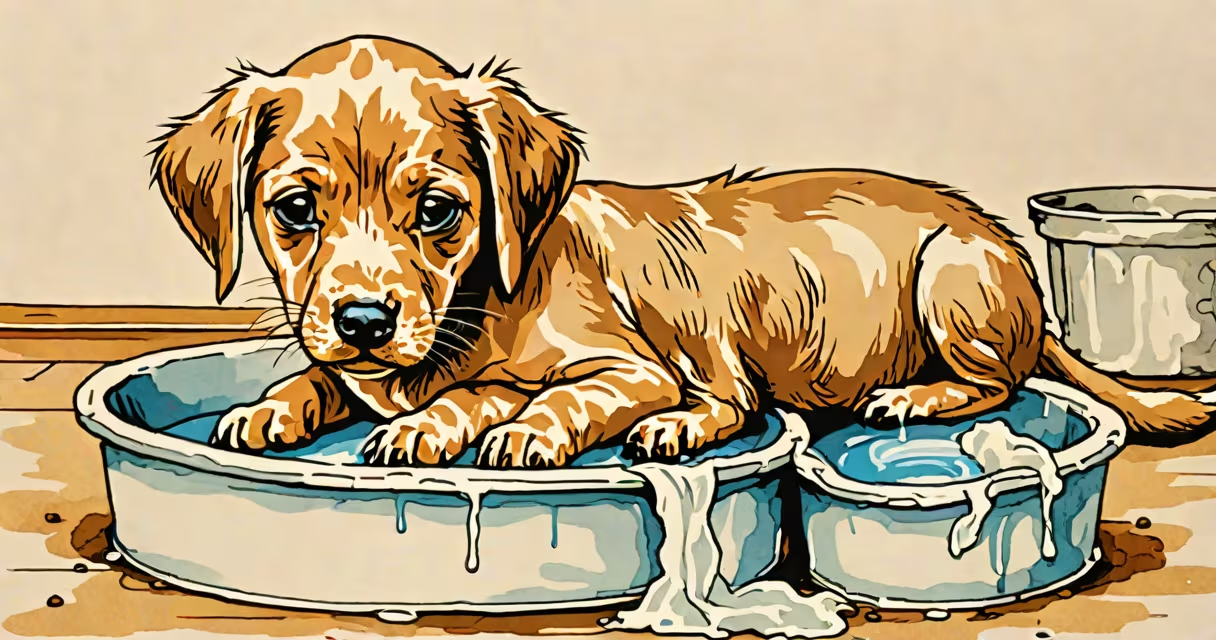
Yes, diarrhea occurs frequently in puppies due to their developing digestive systems, exposure to new environments, and immature immune responses. While occasional loose stools may happen, persistent or severe diarrhea requires prompt attention.
Puppies under six months old often experience gastrointestinal upset as they adjust to new food, stress from relocation, or exposure to pathogens. Their gut microbiome is still forming, making them more vulnerable to imbalances. A single episode of mild diarrhea may resolve within 24 hours, but ongoing symptoms suggest an underlying issue.
According to the American Kennel Club, gastrointestinal disturbances affect up to 30% of puppies during their first few months. The condition is common enough that many owners encounter it, but it's not harmless. Left untreated, dehydration and nutrient loss can occur rapidly in young dogs.
Diarrhea results when intestinal contents move too quickly through the bowel, reducing time for water absorption. This leads to loose or watery stools. In puppies, triggers include dietary changes, infections, parasites, and stress.
The small intestine absorbs nutrients and water. When inflamed or irritated, its lining becomes less effective. Infections like parvovirus or bacterial overgrowth disrupt this process. Parasites such as giardia or coccidia damage the intestinal wall, causing leakage of fluid into the lumen.
A real-world example: a 10-week-old rescue puppy arrived at a shelter with soft stools. After switching from kibble to a homemade diet with raw eggs and chicken, the puppy developed diarrhea within 12 hours. Fecal testing revealed coccidia oocysts. Once treated with a prescribed medication and returned to a vet-approved commercial diet, the stools normalized in 48 hours.
Not all diarrhea is the same. The consistency, color, and presence of blood or mucus help determine severity and cause.
| Type | Appearance | Common Cause | Urgency |
|---|---|---|---|
| Acute | Loose, sudden onset | Diet change, stress, viral infection | High |
| Chronic | Recurring over days/weeks | Food intolerance, parasites, inflammatory bowel disease | High |
| Bloody | Red streaks or dark clots | Parvovirus, intestinal trauma, severe infection | Emergency |
| Yellow/green | Greasy, foamy | Exocrine pancreatic insufficiency, fat malabsorption | High |
One non-obvious fact: puppies can develop diarrhea from eating grass. While often assumed to be a sign of illness, research from the University of Pennsylvania School of Veterinary Medicine shows that up to 60% of healthy puppies chew grass occasionally without adverse effects. However, if grass-eating is paired with vomiting or lethargy, it signals a deeper problem.
Diarrhea lasting more than 24 hours, especially with vomiting, fever, or blood, demands immediate evaluation. Puppies dehydrate faster than adults. A 5-pound puppy losing just 5% of body weight in fluids can show signs of shock within hours.
Parvovirus remains a leading cause of fatal diarrhea in unvaccinated puppies. Symptoms include severe vomiting, bloody diarrhea, and extreme weakness. The virus attacks rapidly dividing cells in the gut and bone marrow. Survival rates drop below 50% without early treatment.
I once observed a 12-week-old puppy brought in with pale gums, collapsed posture, and a rectal temperature of 100.2°F. Bloodwork confirmed low white cell count and elevated liver enzymes. Parvo was diagnosed via PCR test. With aggressive IV fluid therapy and antiviral support, the pup recovered in seven days. Early intervention saved its life.
Many owners assume diarrhea is just "tummy trouble" and wait too long to act. This delay increases risk. Another myth is that feeding rice water or plain yogurt will fix everything. While bland diets can help, probiotics aren't universally effective and may worsen conditions like pancreatitis.
Some owners give human medications like Pepto-Bismol. This is dangerous. Bismuth salicylate can cause toxicity in dogs, especially puppies. The FDA warns against using over-the-counter human antidiarrheals in pets without veterinary guidance.
It's also incorrect to think that all diarrhea stems from food. While diet plays a role, infections and parasites are more likely culprits in young puppies. A study published in the Journal of Veterinary Internal Medicine found that 43% of acute puppy diarrhea cases were caused by infectious agents, not diet.
If diarrhea lasts less than 24 hours and the puppy remains playful, hydrated, and eating normally, a short fast (12 hours) followed by a bland diet may suffice. Offer boiled white rice and lean boiled chicken in small portions every 2-3 hours.
For longer episodes, consult a vet before introducing foods. Some puppies need prescription diets or deworming. Avoid treats, table scraps, and raw meat until the gut stabilizes.
After the diarrhea resolves, gradually reintroduce the original diet over 3-5 days. Sudden shifts can trigger relapse. Monitor stool consistency daily.
When symptoms persist beyond 48 hours, or if the puppy shows signs of distress, seek veterinary care. Early diagnosis prevents complications.
Diarrhea in puppies is common but not inevitable. Understanding the difference between temporary upset and serious illness helps protect your pet. Stay alert to warning signs, avoid home remedies without vet approval, and act quickly when needed.