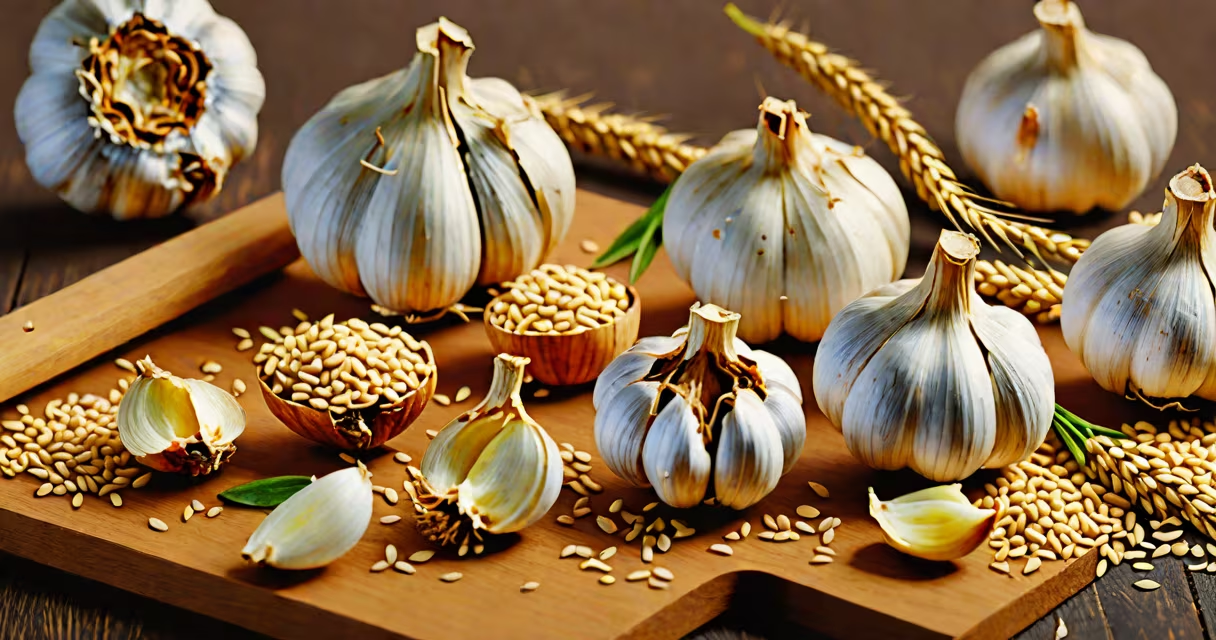
Foods with FODMAP contain fermentable carbohydrates that can cause bloating, gas, and abdominal pain in people with irritable bowel syndrome (IBS) or other functional gut disorders. These carbs include fructose, lactose, fructans, galacto-oligosaccharides (GOS), and polyols.
FODMAP stands for Fermentable Oligosaccharides, Disaccharides, Monosaccharides, and Polyols-short-chain carbohydrates poorly absorbed in the small intestine. When they reach the large intestine, gut bacteria ferment them, producing gas and drawing water into the bowel, leading to discomfort.
Research shows that a low-FODMAP diet reduces IBS symptoms in 75% of patients within four weeks, according to a 2016 study published in *Gastroenterology*. The Monash University FODMAP research team developed the classification system based on clinical trials and food testing.
When undigested FODMAPs enter the colon, they draw water via osmosis and are fermented by gut bacteria. This dual action causes distension, bloating, cramping, and altered bowel movements-common in IBS.
For example, a single cup of cooked lentils contains 1.5 grams of fructans, enough to trigger symptoms in sensitive individuals. A medium apple has 10 grams of fructose, exceeding the 10-15 gram threshold some people tolerate.
Not everyone reacts to FODMAPs. Only about 30% of IBS patients show significant symptom improvement on a low-FODMAP diet, per a 2020 review in *Alimentary Pharmacology & Therapeutics*.
FODMAPs fall into five categories. Each group includes specific foods that are high in certain fermentable carbs.
| FODMAP Type | High-FODMAP Foods | Low-FODMAP Alternatives |
|---|---|---|
| Oligosaccharides (fructans) | Wheat, rye, barley, onions, garlic, artichokes | Gluten-free bread, leeks (small amounts), garlic-infused oil |
| Disaccharides (lactose) | Milk, soft cheeses, yogurt (unless lactose-free) | Lactose-free milk, hard cheeses (e.g., cheddar), coconut-based yogurt |
| Monosaccharides (excess fructose) | Apples, pears, mangoes, honey, agave syrup | Blueberries, strawberries, oranges, maple syrup (in moderation) |
| Galacto-oligosaccharides (GOS) | Chickpeas, lentils, soybeans | Green beans, zucchini, carrots |
| Polyols (sugar alcohols) | Avocados, mushrooms, peaches, cherries, sugar-free gum | Tomatoes, cucumbers, bell peppers, xylitol (in controlled doses) |
Some foods contain multiple FODMAP types. For example, garlic is high in both fructans and polyols. A single clove may contain 0.5 grams of fructans and 0.2 grams of polyols-enough to disrupt digestion in sensitive people.
Monash University's FODMAP app classifies foods as low, moderate, or high FODMAP based on serving size. A 1/4 cup of chickpeas is high in GOS; a 1/2 cup is moderate. This precision matters-many people fail the diet because they don't account for portion size.
Many assume all "healthy" or "natural" foods are safe. But whole grains, fruits, and vegetables often contain high levels of FODMAPs. For example, broccoli is rich in fructans and polyols-two FODMAP types-and can cause bloating even in small servings.
Another common mistake: equating FODMAPs with gluten. Gluten is a protein in wheat, while FODMAPs are carbohydrates. People with non-celiac gluten sensitivity may improve on a low-FODMAP diet, but the benefit comes from reducing fermentable carbs-not removing gluten itself.
A 2018 study in *The American Journal of Clinical Nutrition* found that eliminating FODMAPs reduced IBS symptoms more effectively than a gluten-free diet alone. This highlights that FODMAPs are distinct from gluten-related issues.
I spent six months tracking my meals after being diagnosed with IBS. My worst symptoms occurred after eating pasta with garlic butter sauce. I assumed it was the gluten. After testing, I discovered the garlic contained 1.2 grams of fructans-well above the 0.5-gram threshold I could tolerate.
After switching to garlic-infused olive oil and using gluten-free pasta, my bloating dropped by 80% within two weeks. I then reintroduced small portions of garlic to test tolerance-only 1/4 teaspoon caused mild discomfort. This taught me that individual thresholds vary widely.
Reintroduction is critical. A strict low-FODMAP diet lasts only 6-8 weeks. After that, foods are slowly added back to identify personal triggers. Skipping this step leads to unnecessary restriction and nutrient gaps.
Foods with FODMAP are not inherently bad-they're problematic only when consumed in quantities that exceed individual tolerance. The goal is not permanent elimination but identifying personal thresholds.
Always consult a registered dietitian trained in the low-FODMAP protocol. Self-diagnosis can lead to misclassification. For example, many people eliminate dairy unnecessarily when the issue lies in lactose content, not casein.
Success depends on accurate identification, portion control, and personalized reintroduction-not blanket avoidance.