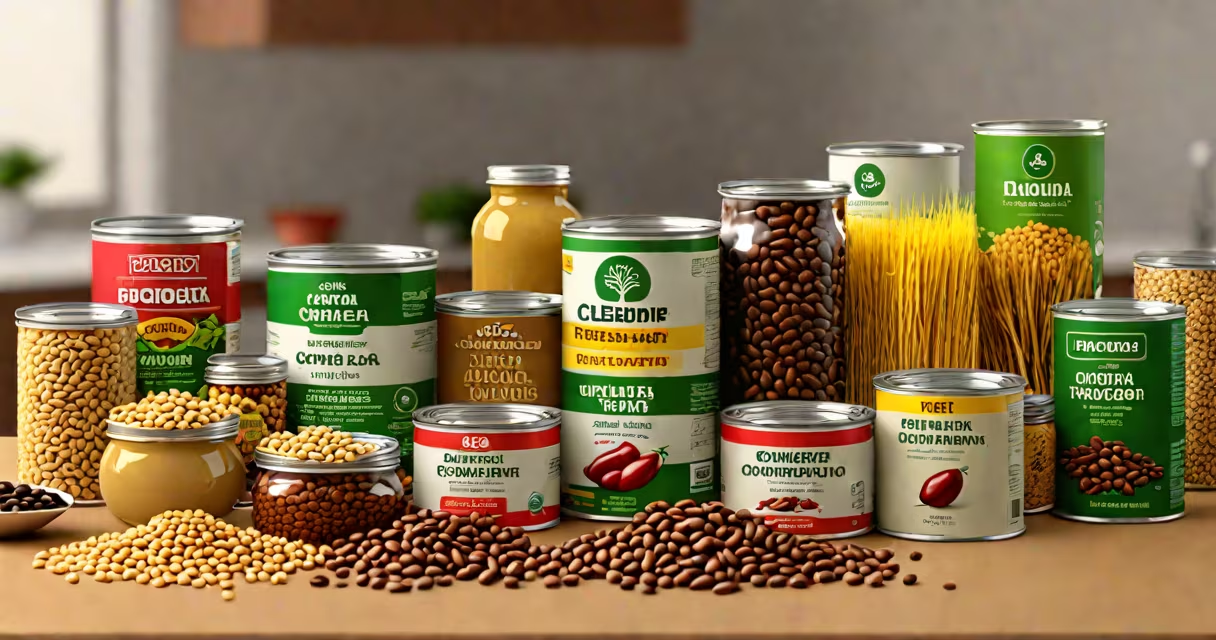
The Commodity Supplemental Food Program (CSFP) is a federal nutrition initiative that provides monthly food packages to low-income seniors aged 60 and older. Administered by the U.S. Department of Agriculture (USDA), the program delivers nutrient-dense, shelf-stable foods to improve dietary intake among vulnerable populations.
CSFP operates through state agencies and local organizations, including community centers, senior centers, and tribal governments. Participants receive a box containing staples such as canned fruits and vegetables, whole grains, legumes, peanut butter, and dairy products. These items are selected based on nutritional guidelines to support healthy aging and reduce food insecurity.
Eligibility requires household income at or below 130% of the federal poverty level and enrollment in a participating state or tribal program. Applications are processed locally, often through outreach events or partner organizations. The program does not issue cash or electronic benefits; instead, recipients collect physical food boxes on a monthly basis.
Each CSFP participant receives one food package per month, typically containing 10-15 items. The USDA sets standard contents based on dietary recommendations and availability of commodities. For example, a typical package includes 12 cans of mixed vegetables, 6 cans of fruit in juice, 2 pounds of dry beans, 1 quart of milk, and 1 pound of peanut butter.
Food distribution occurs through designated sites such as senior centers, public housing facilities, or mobile outreach units. Recipients must attend in person to claim their box, which helps ensure accountability and reduces fraud. Distribution schedules vary by location but usually occur once a month during weekday hours.
States have flexibility in managing logistics. Some use centralized warehouses, while others rely on local nonprofits or faith-based groups to handle deliveries. Tribal nations administer CSFP independently under federal agreements, allowing culturally appropriate food choices and localized delivery systems.
While the core structure remains consistent nationwide, states and tribes may adjust specific items based on regional needs and supply chains. The USDA publishes annual reports detailing approved food items and quantities per package.
| Item Type | Typical Quantity (per package) | Examples |
|---|---|---|
| Canned Fruits | 6 cans | peaches, pears, pineapple |
| Canned Vegetables | 12 cans | mixed vegetables, carrots, green beans |
| Grains | 2 lbs | rice, pasta, oats |
| Protein | 1 lb | peanut butter, dried beans |
| Dairy | 1 quart | milk, yogurt (in some areas) |
Some states include additional items like infant formula or baby food, though these are not standard. Tribal programs may substitute traditional foods such as dried corn, wild rice, or bison meat when available and approved.
A common misconception is that CSFP replaces SNAP benefits. It does not. While both serve low-income individuals, CSFP targets seniors exclusively and provides physical food, not electronic benefits. SNAP offers broader access to grocery stores and allows flexible purchases.
Many confuse CSFP with the Supplemental Nutrition Assistance Program (SNAP), but they differ in purpose and design. SNAP provides electronic benefits redeemable at retailers, while CSFP delivers physical food boxes through designated pickup points. A single household cannot receive both benefits simultaneously for the same individual.
Another frequent error is assuming CSFP covers all seniors. The program serves only those who meet income thresholds and live in areas with active distribution networks. Rural communities may lack nearby collection sites, limiting access despite eligibility.
CSFP does not require participants to contribute funds. Unlike some state-funded food programs, it is fully federally funded and free to eligible seniors. However, participation rates remain below 50% in many states due to awareness gaps and logistical barriers.
In 2022, the USDA reported that CSFP served approximately 1.2 million seniors across 49 states and territories. In New Mexico, the state agency distributed over 140,000 packages annually, with 92% of recipients reporting improved meal quality and reduced food stress.
One participant, a 72-year-old widow in Albuquerque, received her first CSFP box after being referred by a local health clinic. She had been skipping meals due to limited income. Her box included 12 cans of vegetables, 6 cans of fruit, 2 pounds of rice, and 1 pound of peanut butter. Over six months, she reported eating more balanced meals and reducing reliance on convenience store snacks.
She noted that the box arrived on the first Tuesday of each month, and she picked it up at her neighborhood senior center. "I don't have to go to a grocery store," she said. "It's easier than trying to stretch my Social Security."
CSFP is not a supplement to SNAP. It is a standalone program with distinct funding, administration, and delivery mechanisms. The USDA allocates funds annually through appropriations acts, and states must submit plans to maintain certification.
Contrary to popular belief, CSFP does not provide fresh produce. All items are shelf-stable and packaged for long-term storage. This ensures reliability in remote or disaster-prone areas where refrigeration may be unavailable.
A lesser-known fact: CSFP includes a nutrition education component in many states. Outreach workers distribute materials on portion control, label reading, and healthy cooking techniques. In California, this led to a 30% increase in participants preparing meals using multiple food group items from their box.
When considering food security options, it's critical to understand that CSFP fills a unique role. It supports seniors who face mobility challenges, chronic illness, or isolation. Its focus on nutrient-rich, long-lasting foods makes it ideal for those who cannot shop frequently or afford perishable items.
For seniors seeking assistance, contacting local aging services offices or visiting the USDA's CSFP website is the first step. Availability varies by region, and waiting lists exist in high-demand areas. Early application improves chances of enrollment.
The commodity supplemental food program is a targeted, federally supported effort to combat hunger among older adults. By providing consistent, nutritious food packages, it helps maintain independence and health in later life.