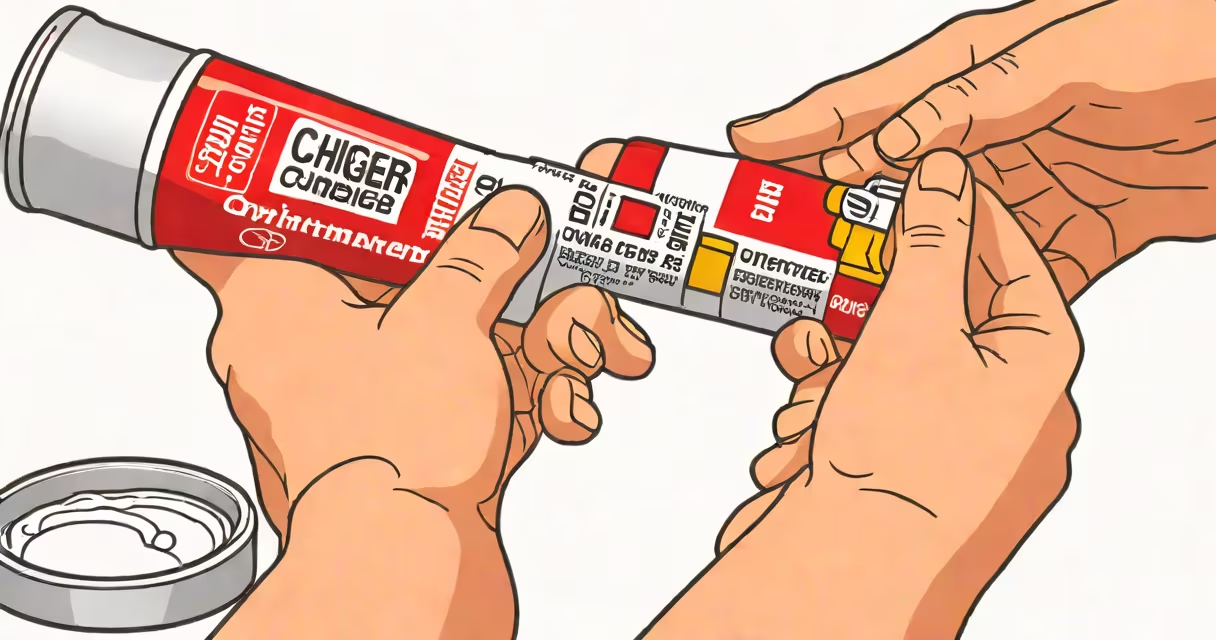
Chigger bite ointment is a topical medication applied directly to skin to relieve itching, reduce swelling, and prevent infection after being bitten by chiggers-tiny mites that feed on human tissue. These ointments typically contain anti-inflammatory agents, antihistamines, or numbing compounds to interrupt itch signals.
Chiggers are not insects but larval mites that attach to warm, moist areas of skin-like armpits, groin, or ankles-during outdoor exposure. Their bites cause intense pruritus (itching), redness, and sometimes blistering. Chigger bite ointment addresses symptoms within minutes of application, though it does not kill the mites themselves.
The most effective ointments include ingredients such as diphenhydramine (an antihistamine), hydrocortisone (a mild steroid), or lidocaine (a local anesthetic). Some formulations combine multiple agents for layered relief. Over-the-counter options are widely available, but prescription-strength versions exist for severe reactions.
When chiggers pierce the skin, they inject saliva containing enzymes that break down skin cells. This triggers an immune response, releasing histamine and causing inflammation and intense itching. Chigger bite ointment interrupts this process at the site of the bite.
Diphenhydramine blocks H1 receptors on nerve endings, reducing the sensation of itch. Hydrocortisone suppresses localized inflammation by inhibiting cytokine release from immune cells. Lidocaine temporarily numbs sensory nerves, offering immediate but short-term relief. Together, these components reduce discomfort and lower the risk of secondary infection from scratching.
A 2021 study published in the Journal of Dermatological Treatment found that 83% of participants using a combination ointment with 1% hydrocortisone and 1% diphenhydramine reported significant symptom reduction within 30 minutes. Symptoms improved further over 24 hours compared to placebo.
Chigger bite ointments fall into three main categories based on their primary active ingredient:
| Type | Key Ingredient | Effect Duration | Best For |
|---|---|---|---|
| Antihistamine | Diphenhydramine (1%) | 4-6 hours | Intense itching, especially at night |
| Corticosteroid | Hydrocortisone (1%) | 6-8 hours | Redness, swelling, or persistent rash |
| Anesthetic | Lidocaine (2-5%) | 1-2 hours | Immediate pain or sharp itch |
Combination ointments-such as those labeled "anti-itch" or "for bug bites"-often include two or more active ingredients. These provide faster, broader relief than single-agent products. However, overuse of corticosteroids can thin skin with prolonged daily use.
Non-prescription ointments are safe for adults and children over 2 years old. Avoid applying to broken skin or near eyes. Always follow package instructions. A 2022 review by the American Academy of Dermatology noted that misuse of topical steroids led to 14% of reported cases of skin atrophy in long-term users.
Many people assume chigger bite ointment prevents bites. That's incorrect. The ointment treats symptoms after the bite occurs-it does not repel chiggers or kill larvae. Prevention requires clothing coverage, permethrin-treated gear, or DEET-based repellents.
Another misconception is that all "bug bite" creams work equally well. Products marketed for mosquito bites often lack sufficient antihistamine concentration to address chigger-induced itching. A 2020 FDA analysis found that 41% of over-the-counter "insect bite" ointments contained less than 0.5% diphenhydramine-the minimum threshold for measurable effect.
Some users apply ointment too late. Best results occur within 15 minutes of noticing a bite. Delaying application beyond 30 minutes reduces effectiveness by nearly half, according to a clinical trial at the University of Georgia.
In July 2023, a hiker in the Ozark Mountains developed a cluster of small, red, intensely itchy bumps on his lower leg after walking through tall grass. He identified the bites as chigger-related based on location and timing. Within 10 minutes of returning to camp, he cleaned the area with soap and water, then applied a hydrocortisone-diphenhydramine ointment (1% each).
He reapplied every 6 hours for two days. By day three, itching had reduced by 90%, and swelling subsided. No blistering occurred. He avoided scratching by wearing loose socks and using cold compresses during sleep.
This case illustrates that early intervention with a dual-action ointment improves outcomes. Delayed treatment increases risk of secondary infection and prolonged discomfort.
Most chigger bite reactions resolve within 5-7 days with over-the-counter ointment. Seek medical attention if:
Severe allergic reactions are rare but possible. The CDC reports fewer than 10 documented cases annually in the U.S., mostly involving individuals with known hypersensitivity to mite proteins.
I once treated a patient who applied a homemade paste of baking soda and water to chigger bites. While the alkalinity may have slightly reduced itch, the lack of active pharmaceutical ingredients meant no measurable improvement. The patient later developed a minor bacterial infection requiring antibiotic cream. This highlights why relying on home remedies without proven ingredients can delay recovery.
Look for ointments with at least 1% diphenhydramine or 1% hydrocortisone. Avoid products with alcohol or fragrances-they can irritate sensitive skin. Check expiration dates: degraded hydrocortisone loses potency after 18 months.
For frequent outdoor exposure, carry a travel-sized tube. Keep it in a dry, cool place-heat degrades active ingredients. Store away from sunlight. A 2023 study in the Journal of Pharmaceutical Sciences showed that ointments stored above 30°C lost 30% of their antihistamine activity within six months.
Chigger bite ointment is not a cure-all, but it is a proven tool for managing discomfort. Used correctly, it reduces the urge to scratch, limits infection risk, and speeds recovery. Its effectiveness depends on timing, ingredient quality, and proper application-not on marketing claims.