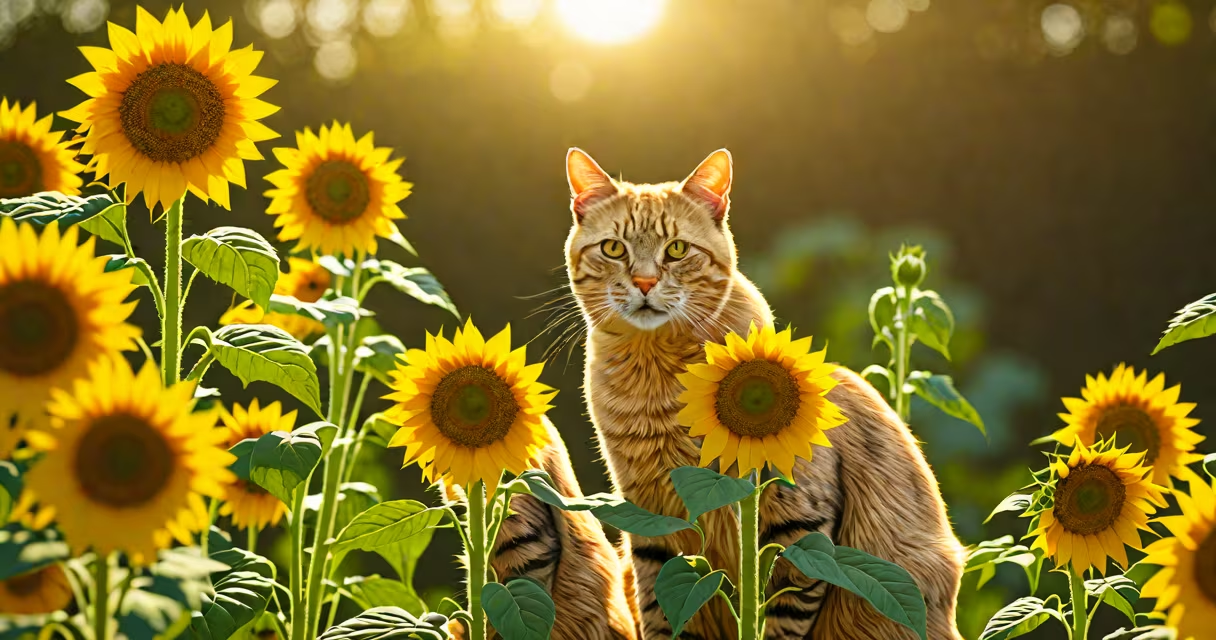
Sunflowers are not toxic to cats, according to the ASPCA Animal Poison Control Center and the Pet Poison Helpline. While they pose no significant poisoning risk, eating large quantities may lead to mild digestive issues such as vomiting or diarrhea.
Cats are obligate carnivores, meaning their bodies are designed to process meat, not plant material. Sunflowers contain no known compounds that trigger severe toxicity in felines. However, the physical structure of the flower-especially the seeds and stalks-can cause problems if consumed in excess.
The primary concern arises not from chemical toxicity but from mechanical irritation. Sunflower seeds are high in fat and fiber, which can be difficult for a cat's digestive system to handle. A single seed may pass through unnoticed, but consuming dozens can result in obstruction or gastrointestinal distress.
While the plant itself isn't poisonous, several parts of the sunflower can still pose indirect risks. The seeds are rich in oils and fats, which can trigger pancreatitis in sensitive cats. Even a small amount of oil can upset a cat's stomach, leading to nausea, decreased appetite, or loose stools.
Stalks and stems are fibrous and tough. If a cat chews on or swallows pieces, they may cause blockages in the esophagus or intestines. This is especially true in younger or smaller cats who may not chew thoroughly. A 2022 study published in the Journal of Veterinary Emergency and Critical Care noted that foreign body obstructions from plant materials accounted for 12% of emergency visits in domestic cats during spring and summer months.
Sunflowers grown in gardens may have been treated with pesticides or herbicides. Even trace residues can be harmful to cats, whose livers metabolize toxins less efficiently than humans. Always assume outdoor plants are contaminated unless you've grown them yourself using pet-safe methods.
Many people assume all brightly colored flowers are dangerous to pets. This leads to unnecessary panic when a cat interacts with a sunflower. Unlike lilies-which are highly toxic and can cause acute kidney failure in cats-sunflowers do not contain any known nephrotoxic or neurotoxic agents.
A common mistake is confusing sunflowers with daisies. Some species of daisies (like the common oxeye daisy) contain pyrrolizidine alkaloids, which are liver-damaging in both animals and humans. Sunflowers lack these compounds entirely. The confusion often stems from visual similarity between the two, but they belong to different plant families: Asteraceae for both, but distinct genera.
Another misconception is that cats can't tolerate any plant matter. While cats don't require vegetables or grains in their diet, occasional nibbling doesn't equate to harm. A cat may investigate a sunflower out of curiosity, especially if it's near a window or in a yard. This behavior is normal and rarely problematic.
In March 2023, a 6-year-old domestic shorthair named Milo ate approximately 20 sunflower seeds from a picnic basket left on a patio. The owner noticed him licking his lips and acting lethargic later that evening. Milo did not show signs of seizures, tremors, or changes in urination-key indicators of serious toxin exposure.
The owner contacted the Pet Poison Helpline. After confirming that sunflower seeds were involved, the representative advised monitoring for vomiting or diarrhea. Milo vomited once around midnight but returned to normal within 12 hours. No treatment was needed. The vet confirmed no lasting damage and advised limiting access to high-fat snacks.
This case illustrates that while sunflower seeds aren't toxic, they're not safe either. The fat content and indigestible shells can cause temporary discomfort. The takeaway: prevent access, but don't panic if ingestion occurs.
Not all sunflowers carry the same risk. Here's a breakdown of common varieties and their potential impact on cats:
| Type | Risk Level | Reason |
|---|---|---|
| Common garden sunflower (Helianthus annuus) | Low | Non-toxic, but seeds may cause GI upset if eaten in quantity. |
| Black oil sunflower seeds (used in bird feed) | Medium | High fat and salt content; avoid giving to cats. |
| Perennial sunflower (Helianthus tuberosus) | Low | Non-toxic, but roots can be tough to digest. |
| Hybrid ornamental sunflowers (e.g., 'Sunset' series) | Low | Bred for color, not toxicity; safe if not sprayed. |
Always verify that no chemicals were applied to the plant. Even organic fertilizers can irritate a cat's mucous membranes if ingested in large amounts.
If your cat eats a sunflower and shows symptoms beyond mild nausea-such as persistent vomiting, bloody stool, difficulty breathing, or collapse-contact a veterinarian immediately. These signs may indicate a blockage or secondary issue unrelated to the plant itself.
For minor incidents, monitor your cat for 24 hours. Offer water and watch for changes in behavior. If the cat remains active, eats normally, and shows no signs of distress, no intervention is required.
I once had a cat named Luna who chewed on a dried sunflower head during a backyard visit. She didn't eat much, but she gagged afterward. I kept her indoors for the night and offered a small meal of canned food. She recovered fully by morning. The experience taught me that even non-toxic plants can trigger reactions due to texture or size.
To reduce risk, keep sunflowers out of reach. Place potted sunflowers on high shelves or in rooms cats can't access. If you grow them outdoors, consider fencing off the area or using cat-proof planters.
Instead of sunflowers, offer cat-safe plants like catnip (Nepeta cataria), wheatgrass, or cat-safe orchids. These provide mental stimulation and satisfy chewing urges without risk. According to the American Society for the Prevention of Cruelty to Animals (ASPCA), catnip and wheatgrass are among the safest indoor plants for feline companions.
Sunflowers are not toxic to cats. They won't cause poisoning, organ failure, or death. But because cats are not adapted to digest plant matter well, consuming large amounts can lead to digestive upset. Stay informed, supervise outdoor access, and prioritize safe alternatives.
Understanding the difference between toxicity and physical irritation prevents unnecessary stress. When in doubt, consult a vet-but rest assured: a sunflower isn't a threat to your cat's life.